Texas Butterfly
The Lady Bird Johnson Wildflower Center is located on the southwest side of Austin, Texas and is a part of the University of Texas at Austin. It has 284 acres of scenic gardens and trails. It requires an admissions fee and during some busy seasons, reservations. Prices vary by season.
The Center exists to “inspire the conservation of native plants through its internationally recognized sustainable gardens, education, and outreach programs, and research projects.” The website is a wonderful resource for determining which native plants work best in your home gardens.
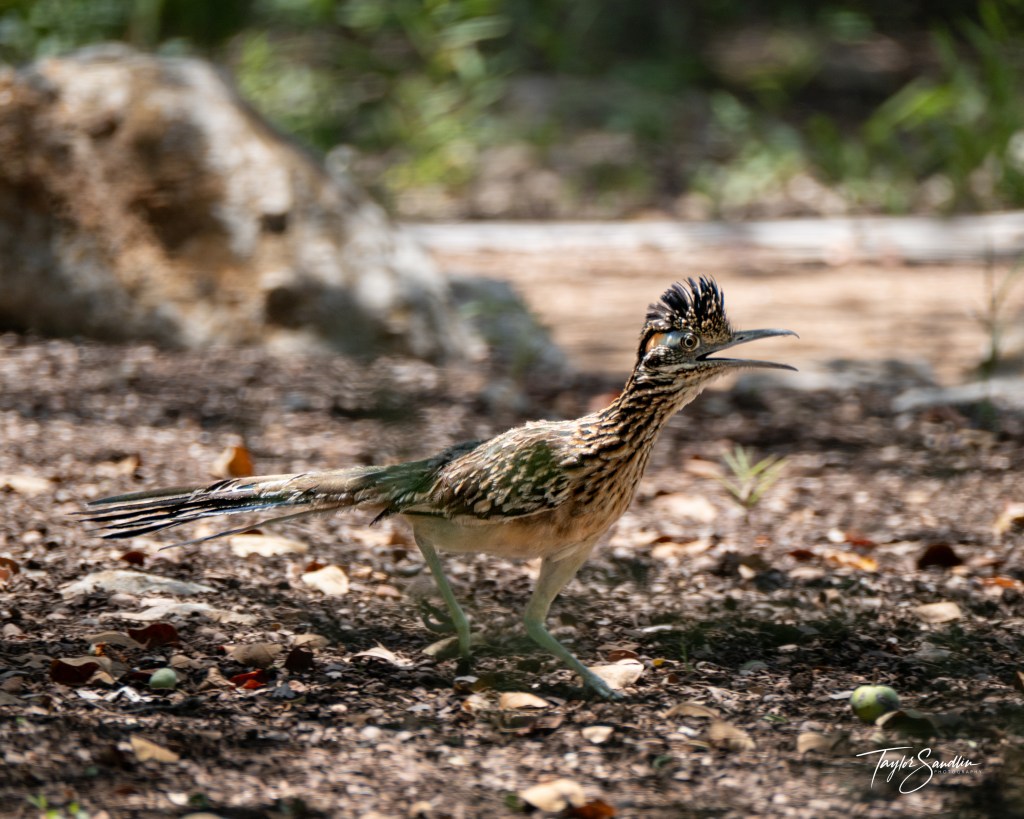
You are sure to see a number of butterfly species every time you visit, plus a number of other species including insects, lizards, and birds.
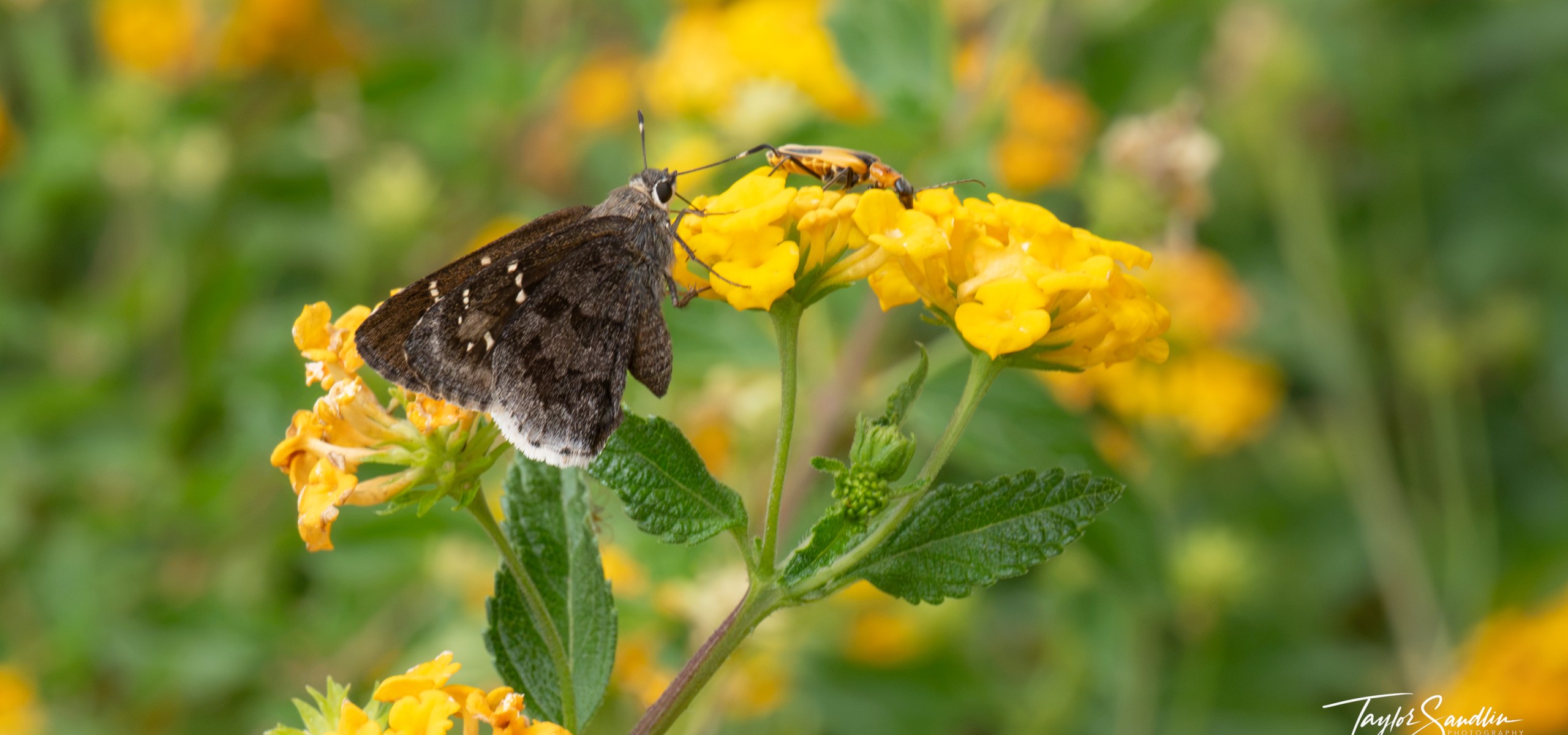
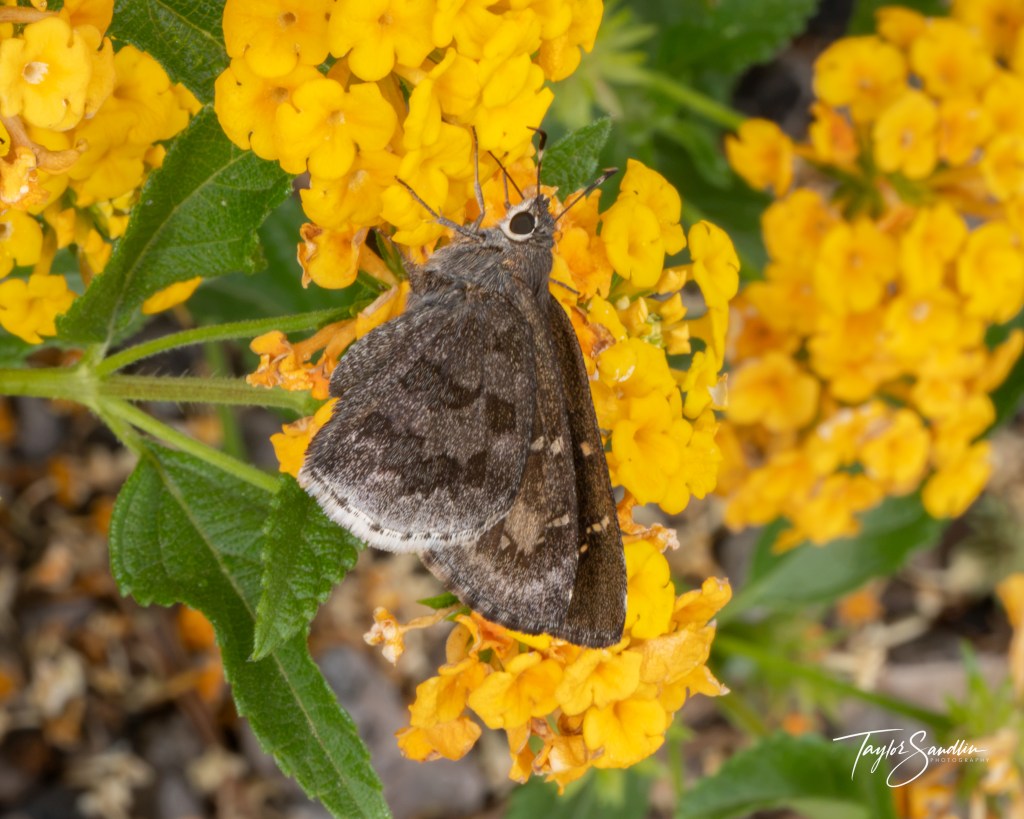
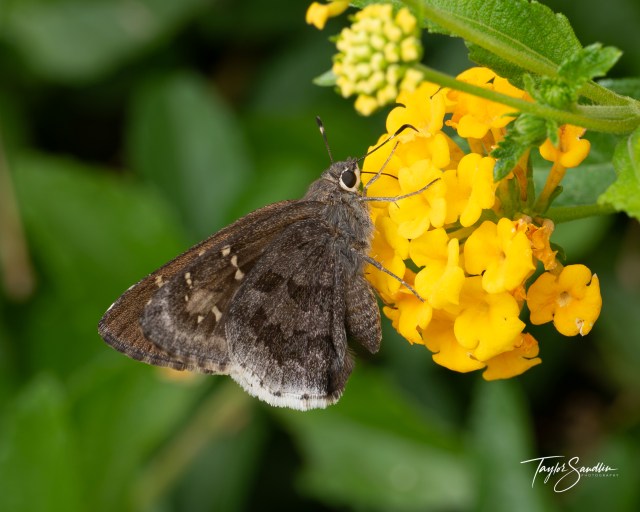
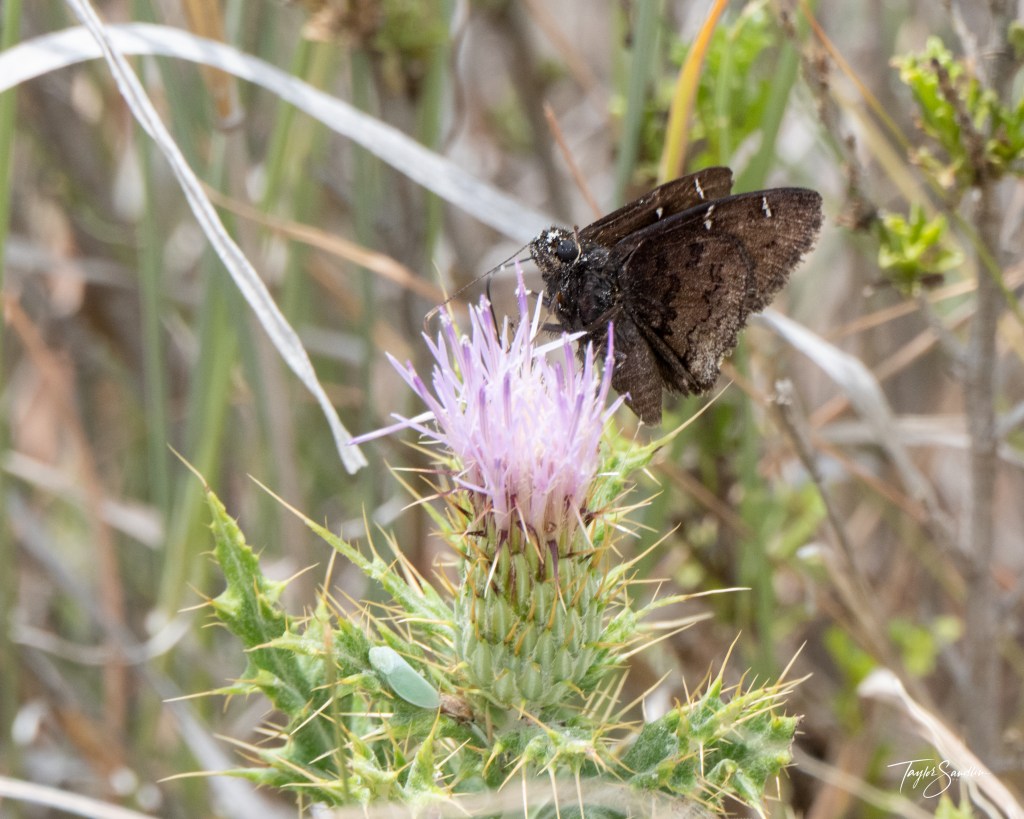
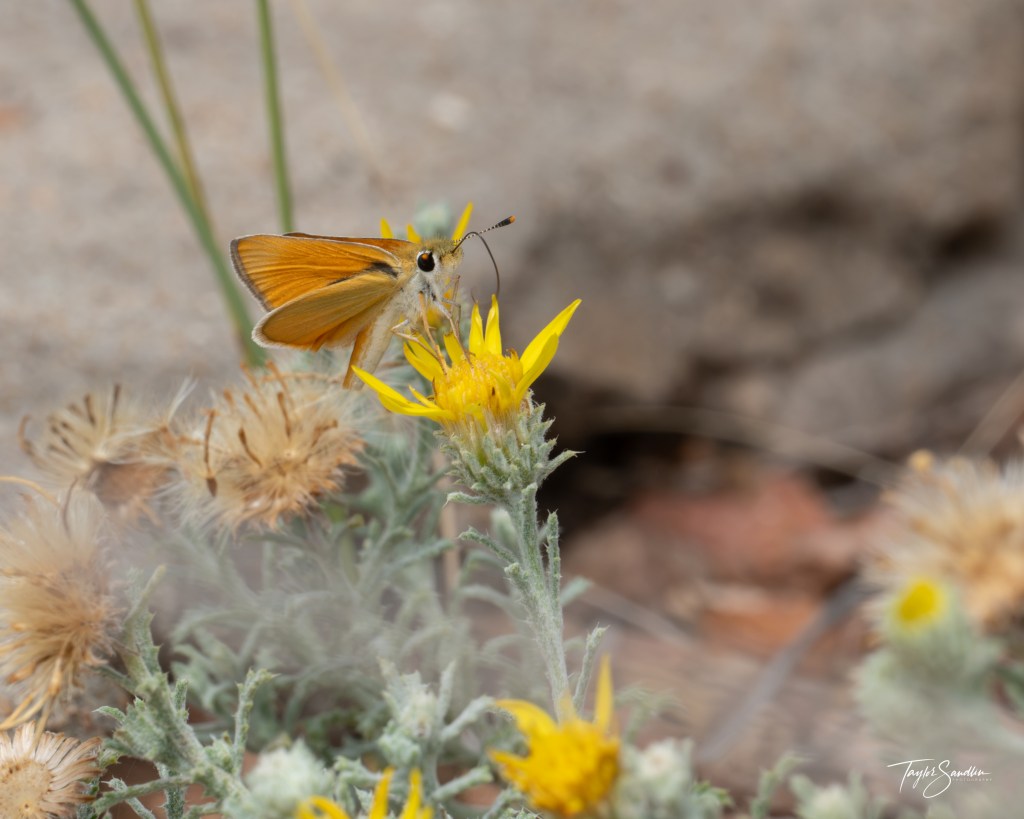
Cogia hippaius
This large skipper can only be scene along the border and in far west Texas. Most of its range is in Mexico. It prefers dry grassland and rocky canyons.
My one time seeing it was in Fort Davis, Texas at the historic Hotel Limpia. Big thanks to their landscaping team. The yellow lantana in the front flower beds was teaming with butterflies and helped me add this one to my list!
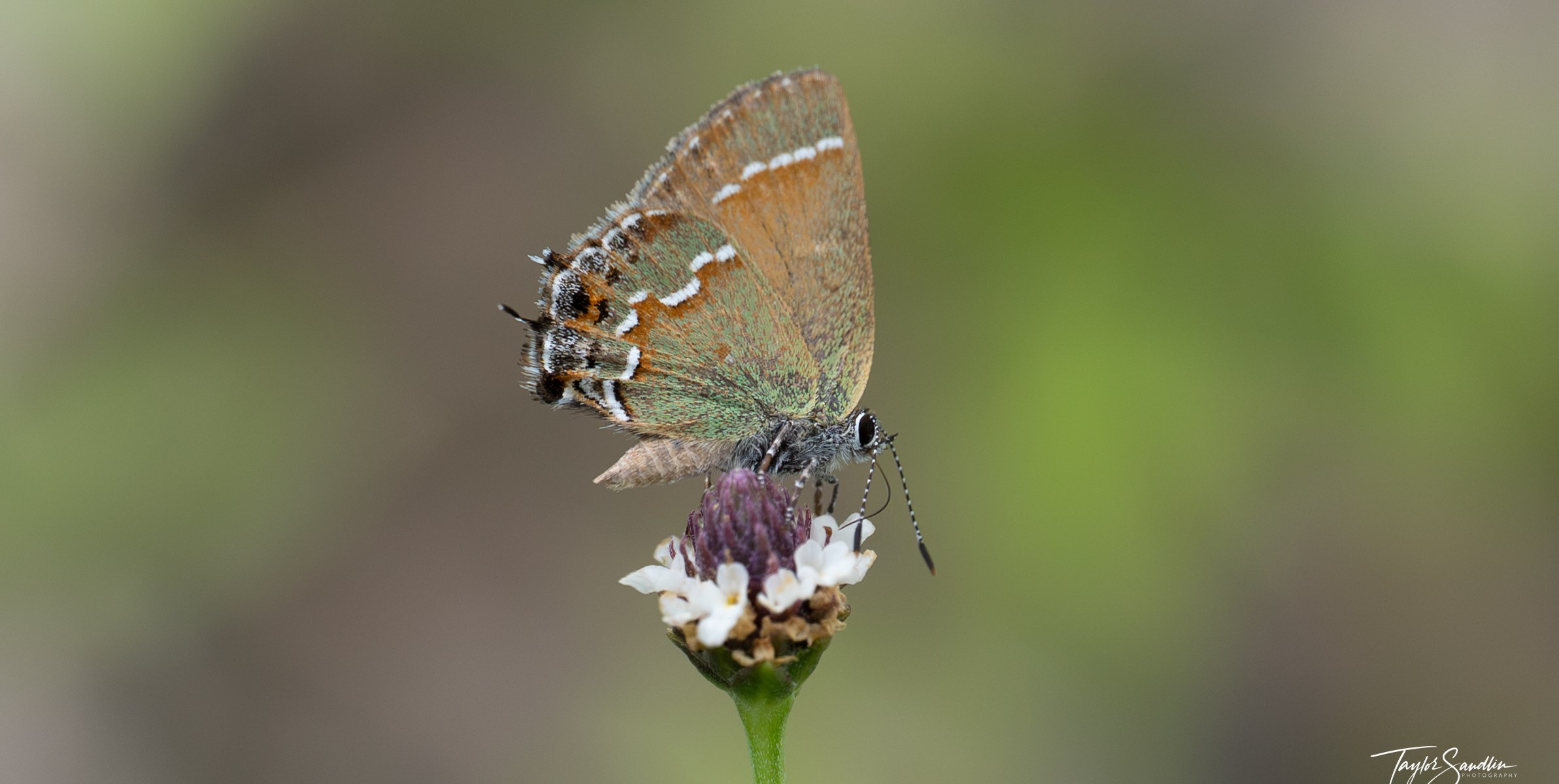
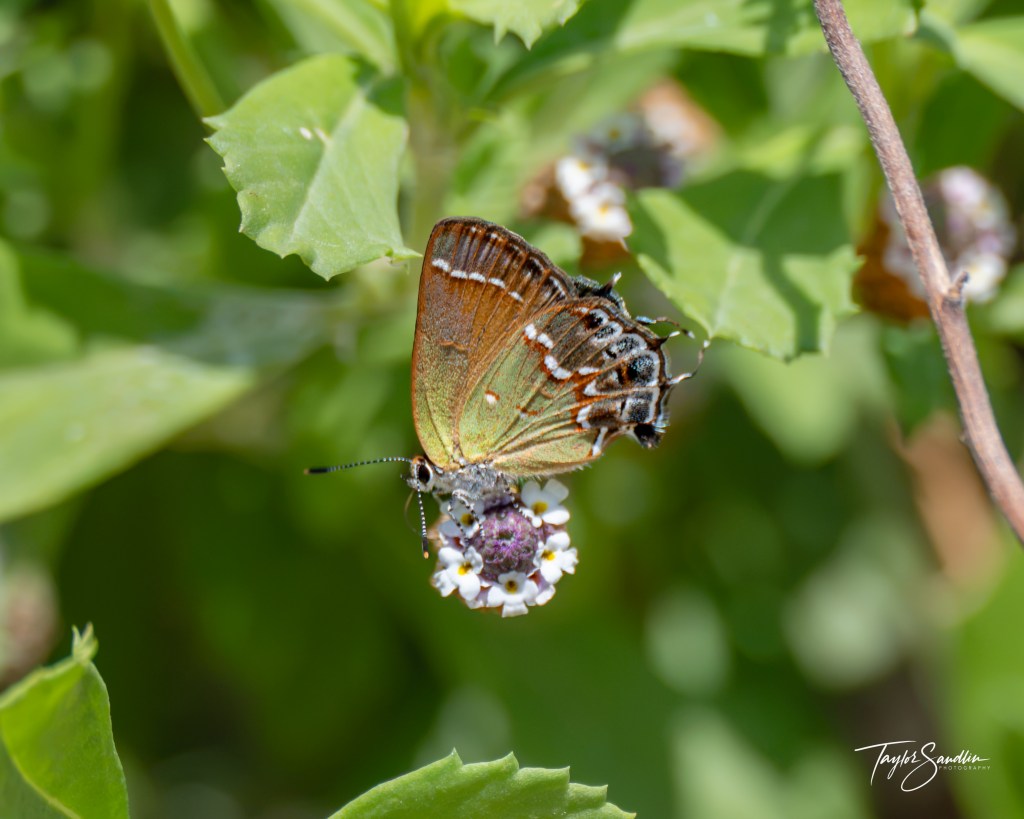
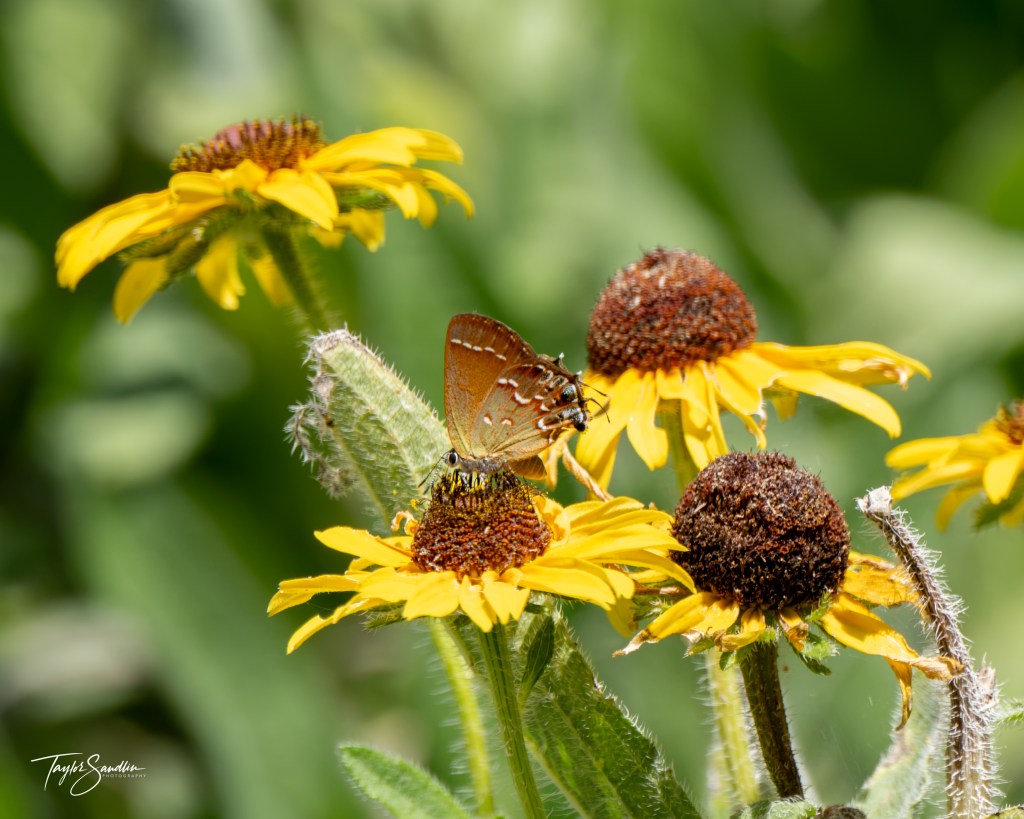
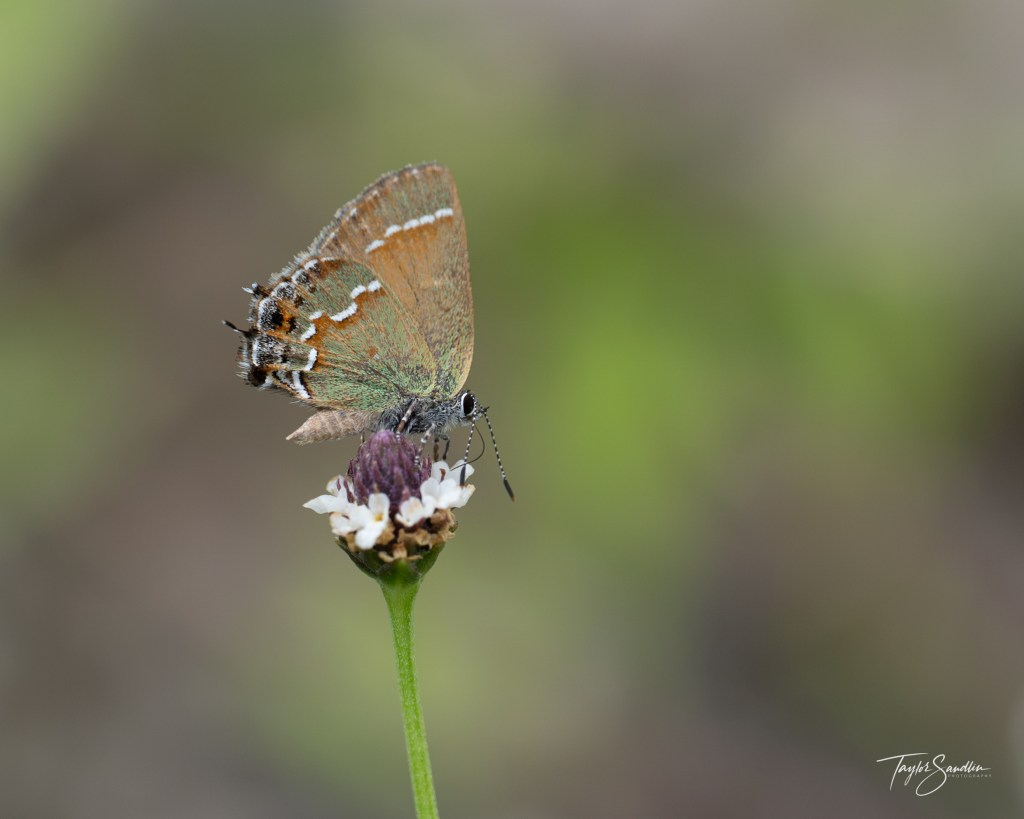
Callphrys gryneus gryneus
This hairstreak stands out in Texas because of its green and rust orange tint. Of the ones pictured, those with the two forward white spots are the more common look. The ones pictured without the forward spots may be ‘Siva’ Juniper Hairstreaks. Although, the irregular shape of the outside pm line on all pictured favors the ‘Olive’ Juniper Hairstreak. The pm line on the ‘Siva” Juniper Hairstreak is straight.
The ‘Olive’ Juniper Hairstreak is found everywhere in Texas except in south Texas including along the coast and around El Paso. The ‘Siva’ Juniper Hairstreak is found only in far west Texas. I have spotted this butterfly in the hill country and west Texas. It will visit milkweed but is mostly found in Eastern Redcedar.
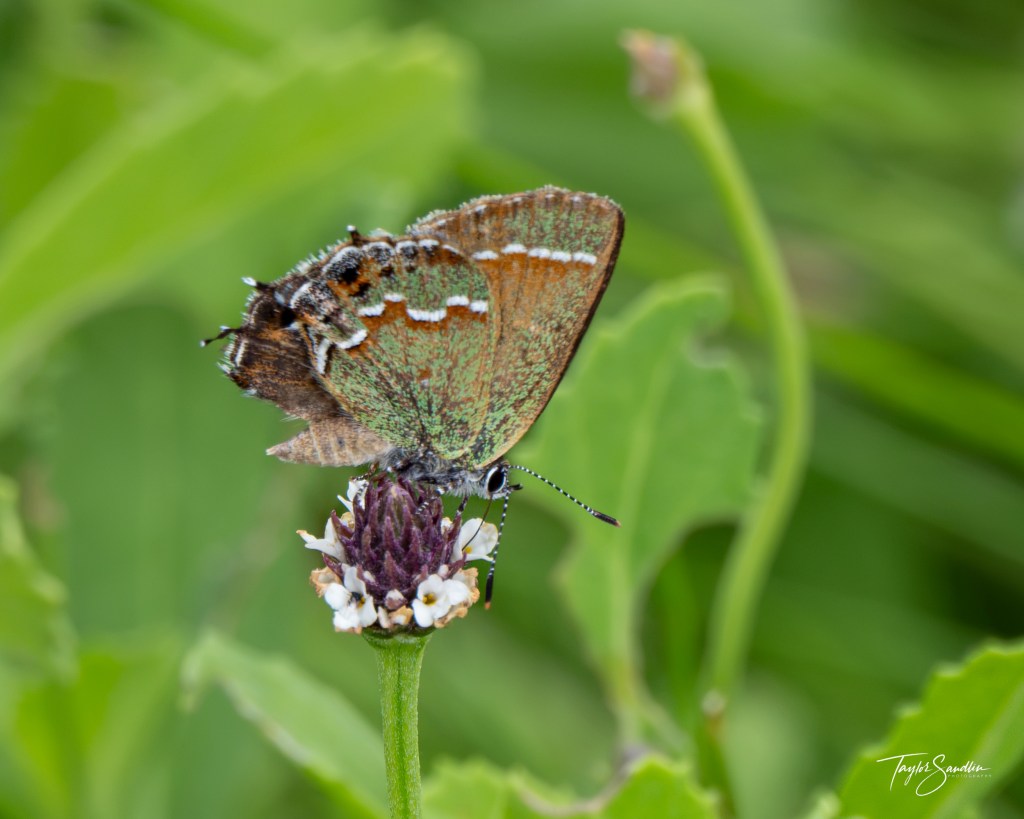
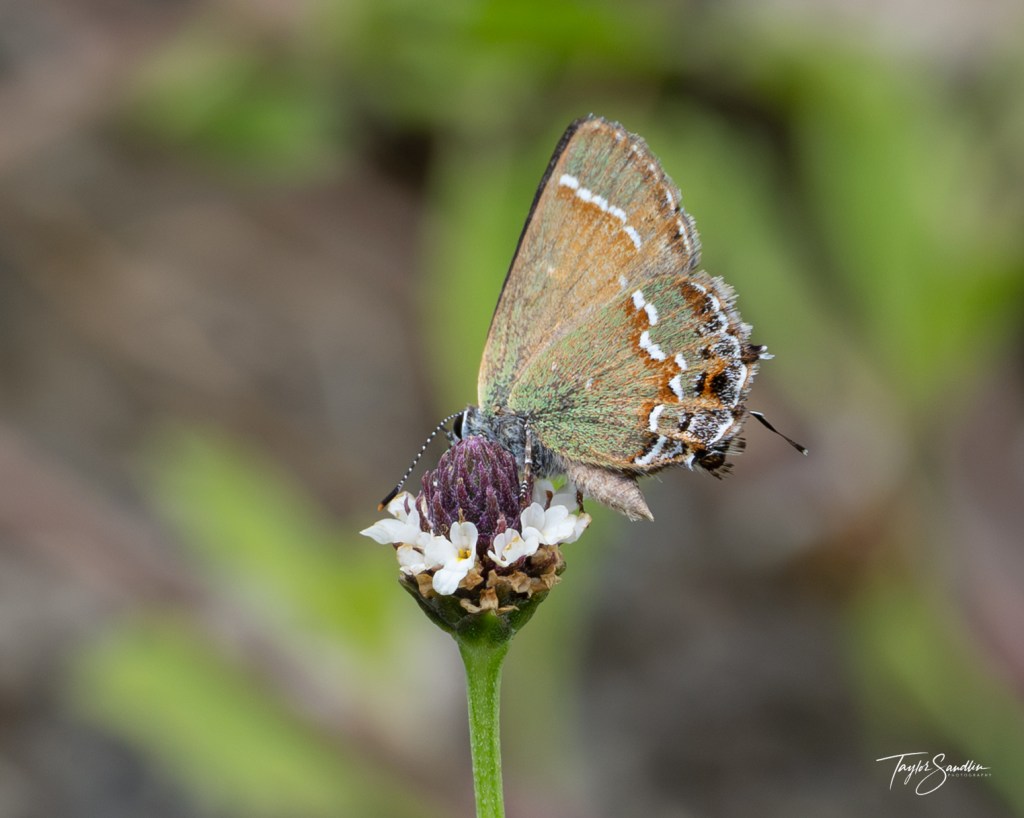
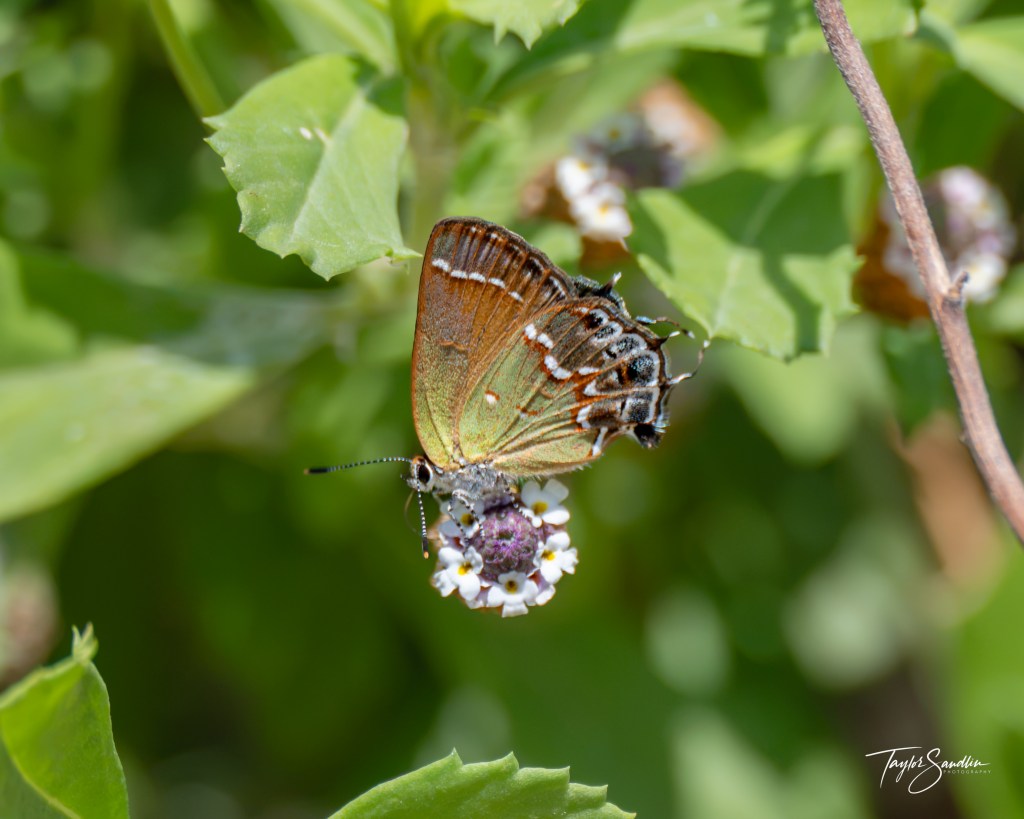
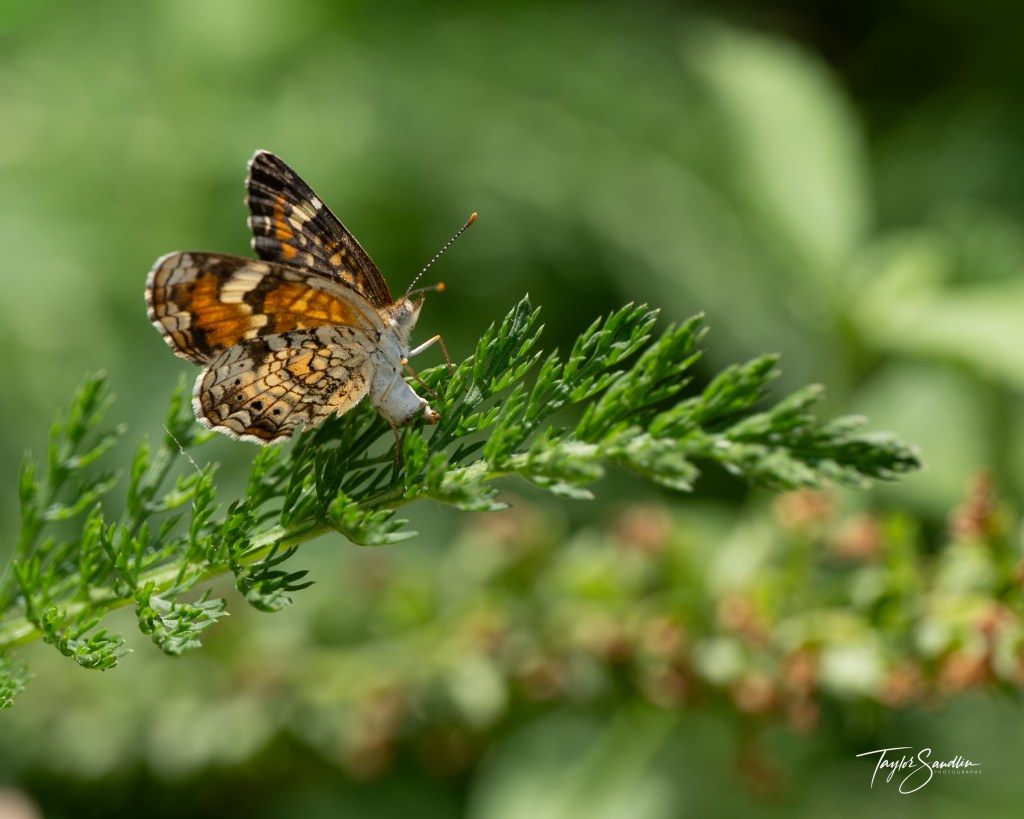
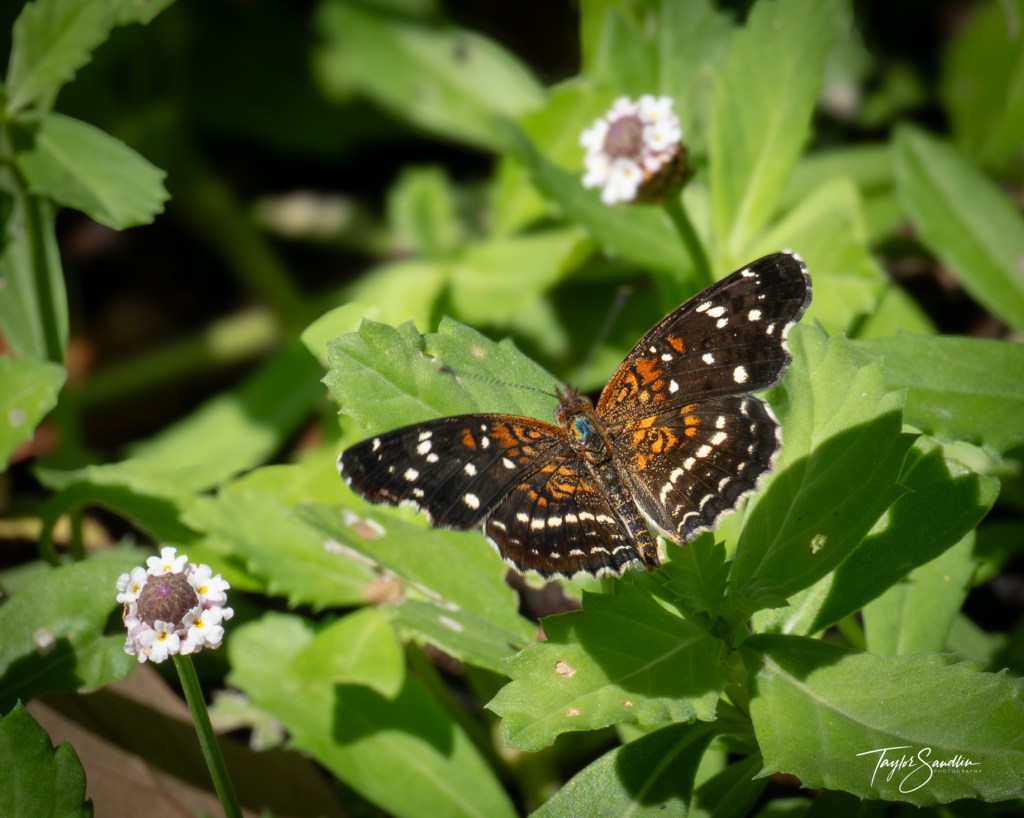
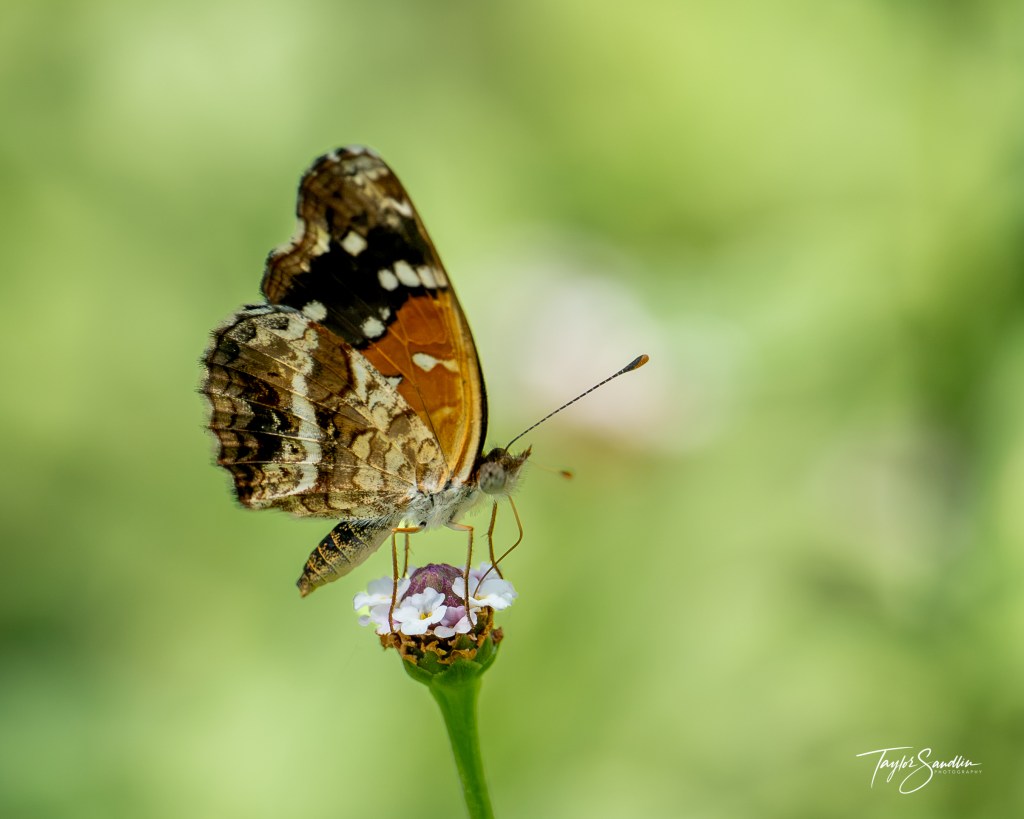
Chlosyne lacinia
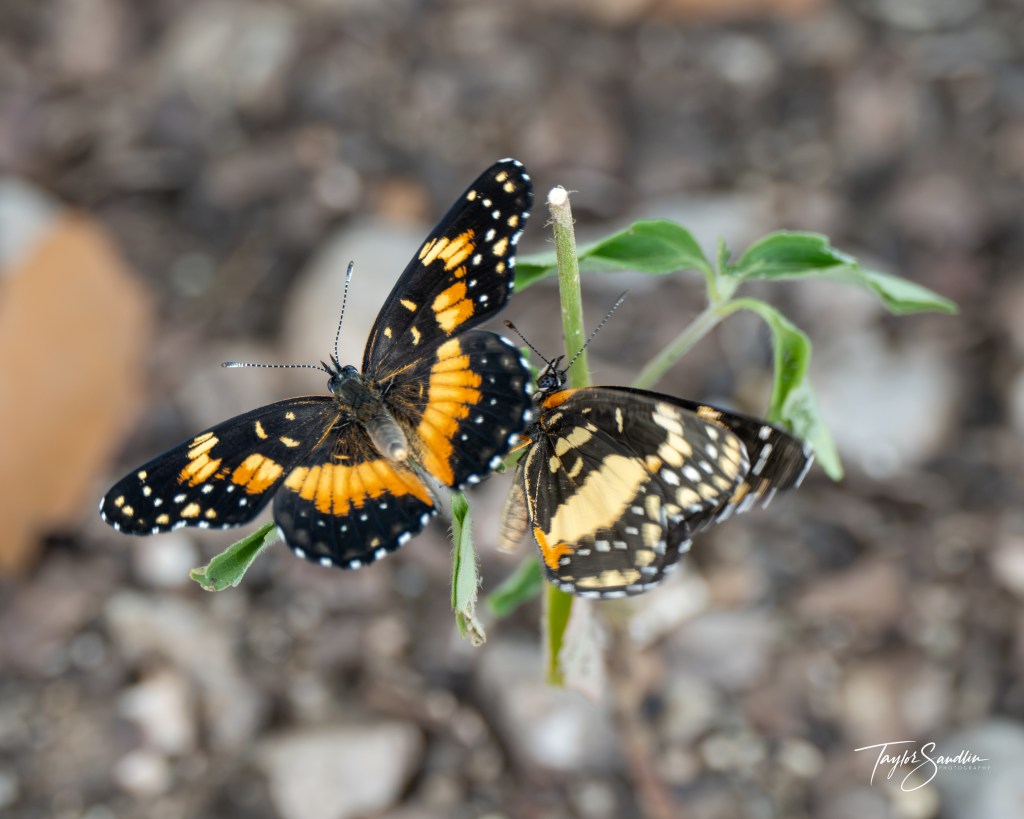
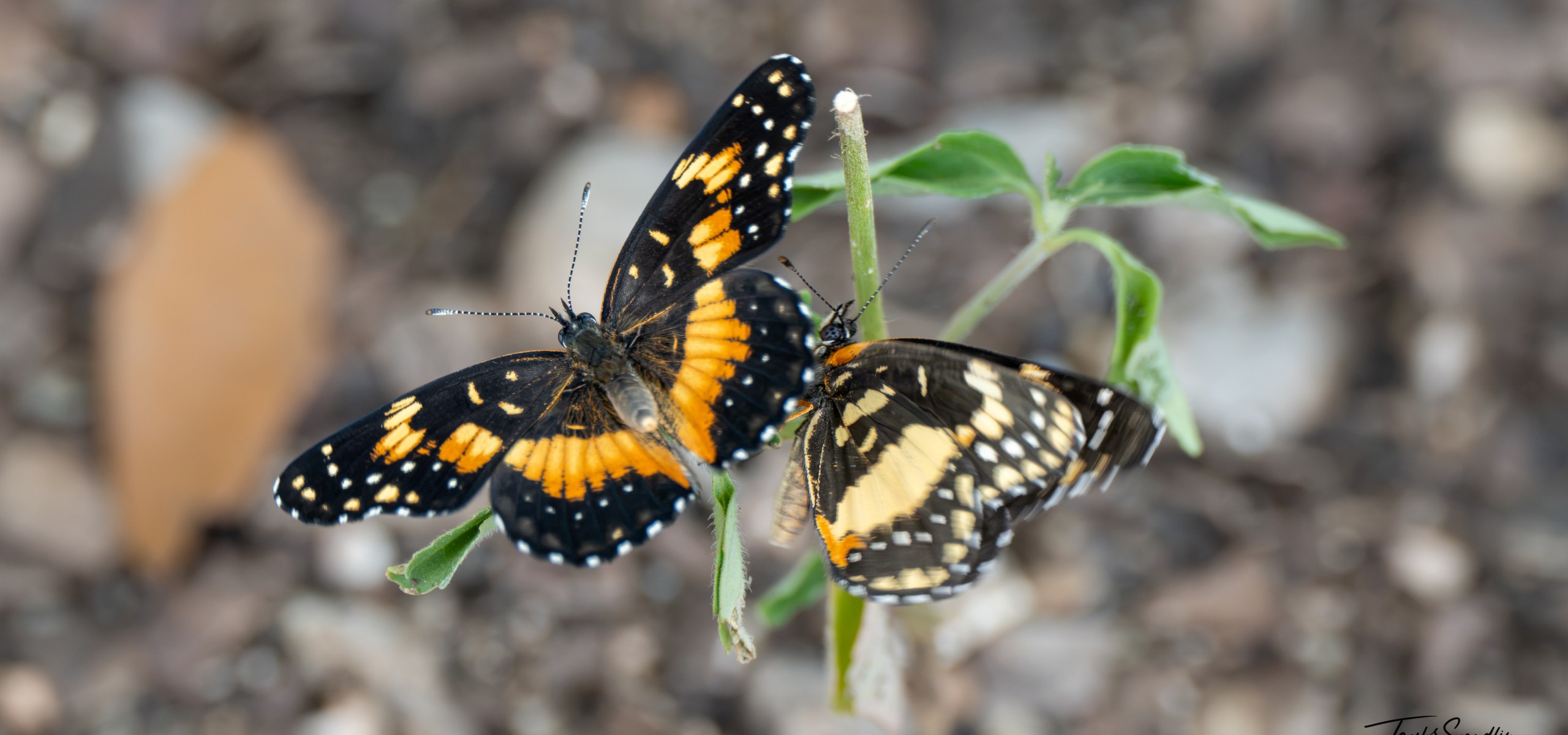
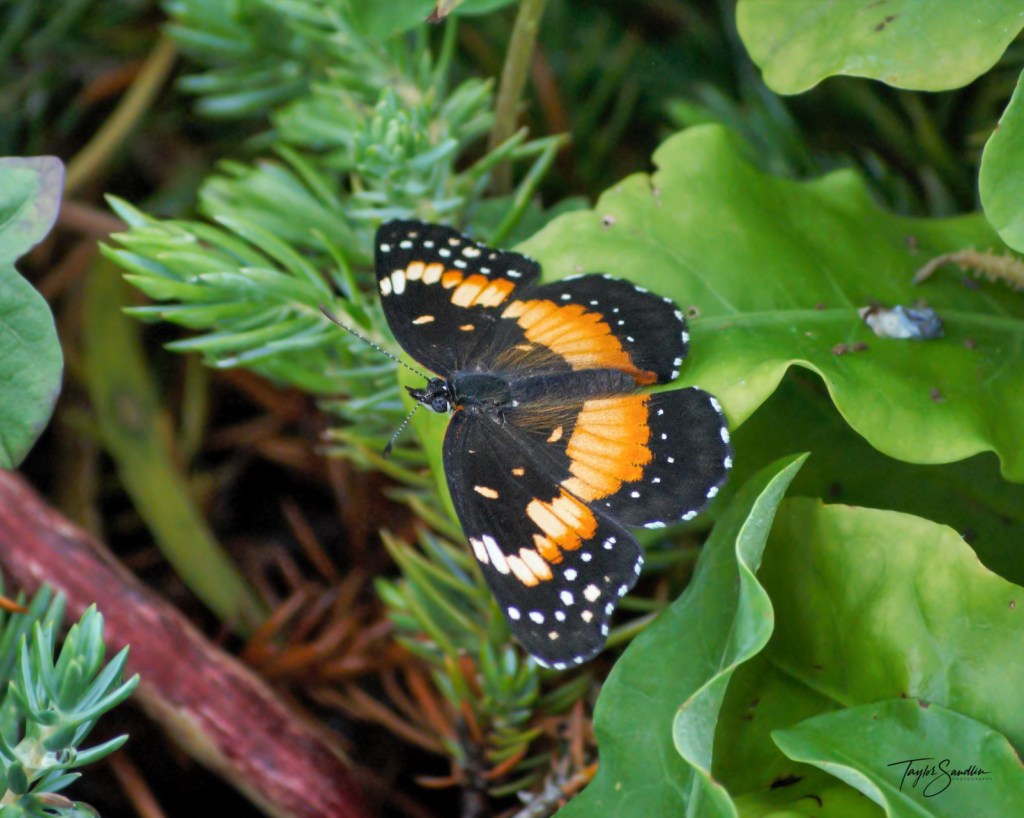
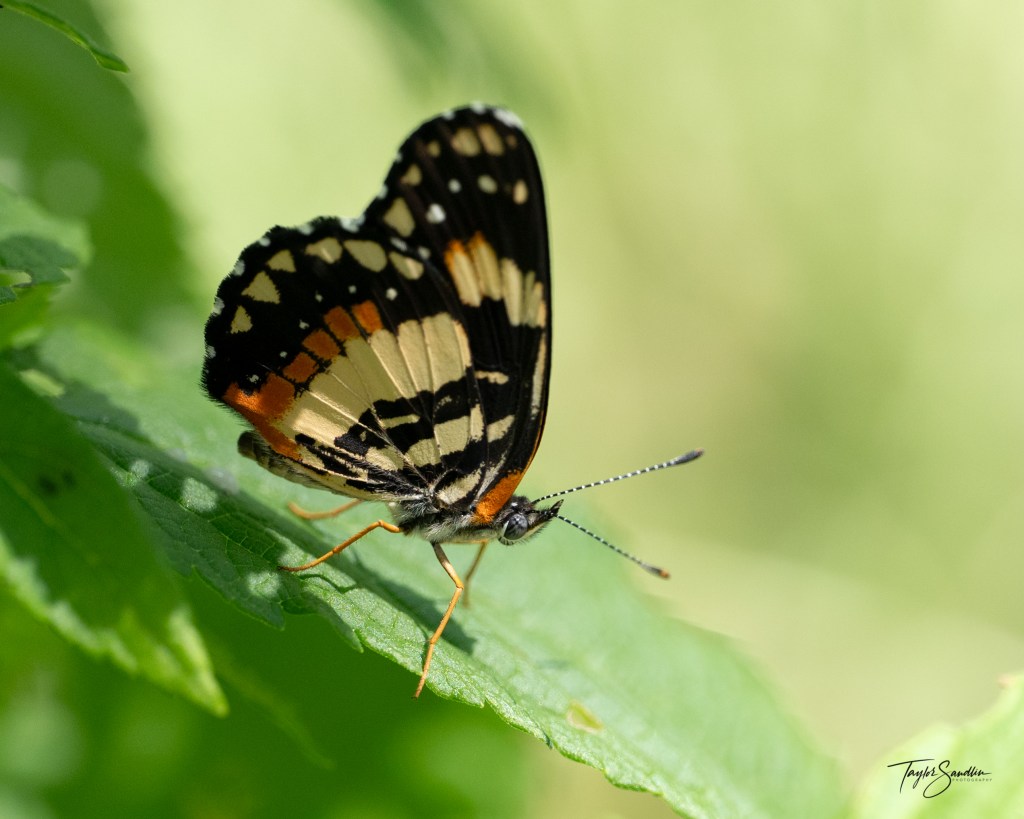
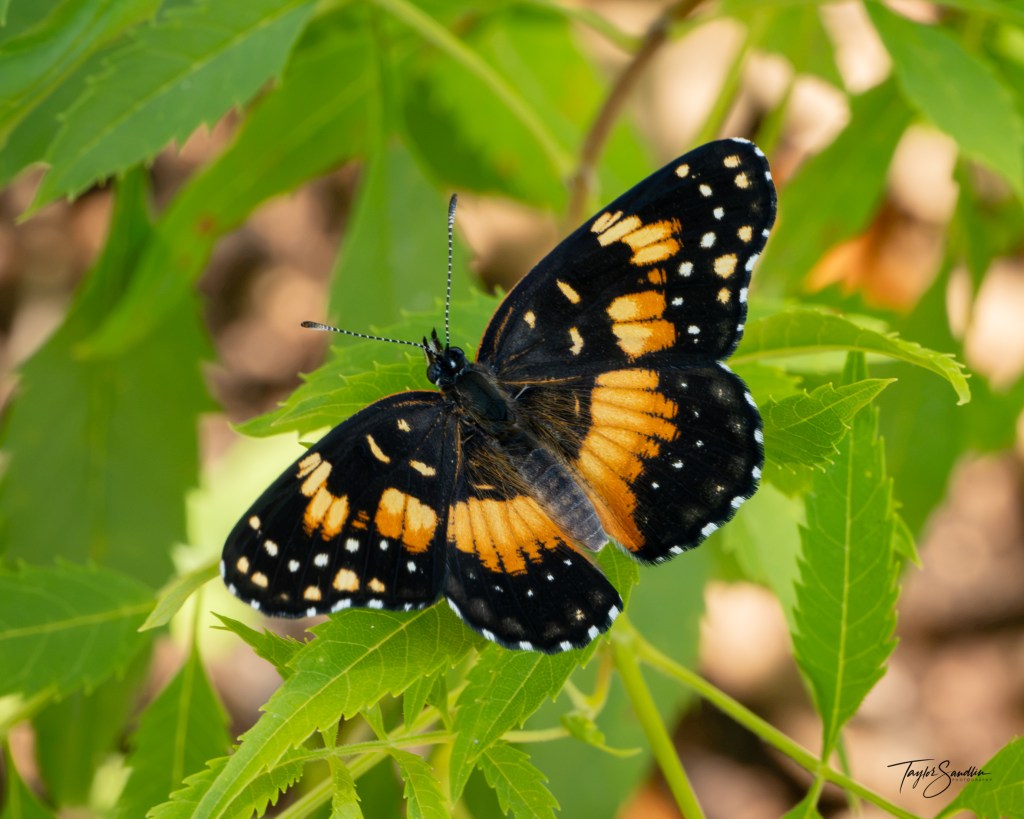
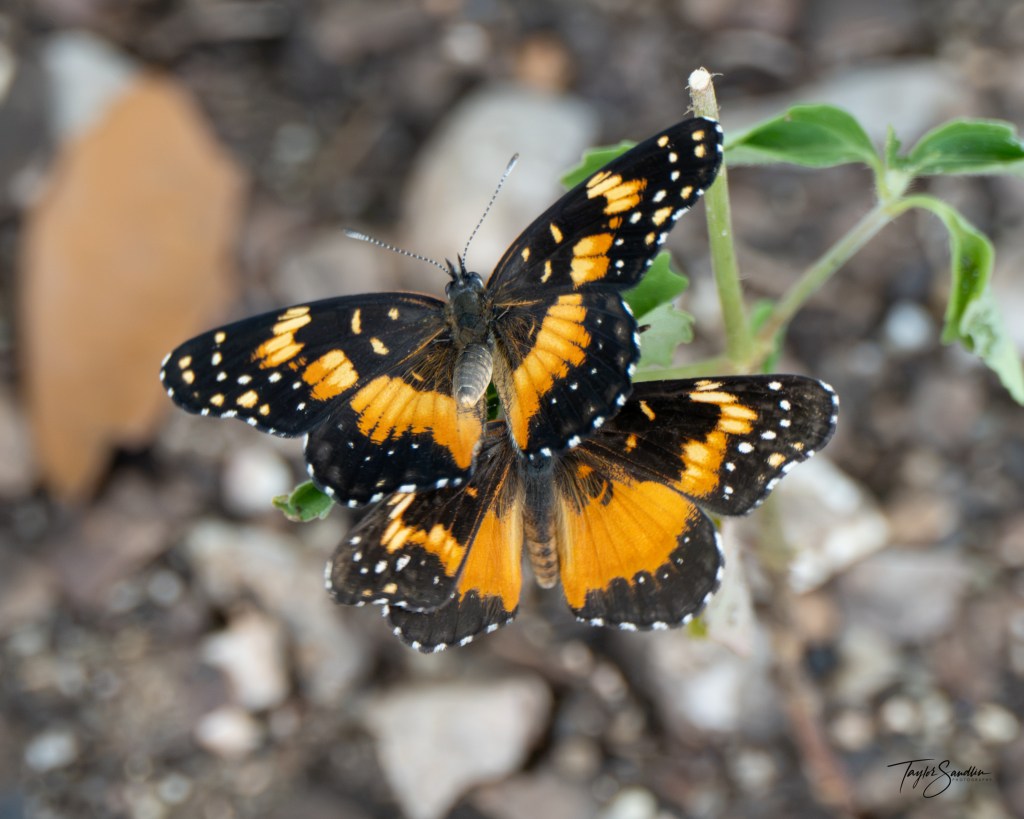
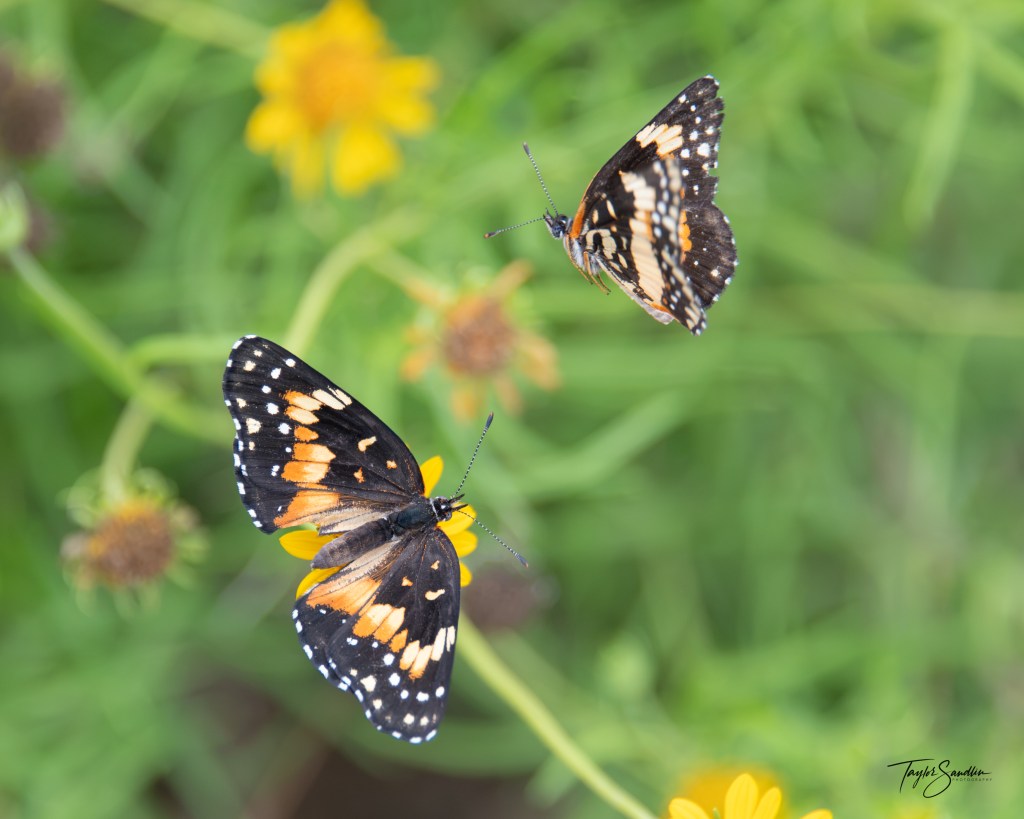
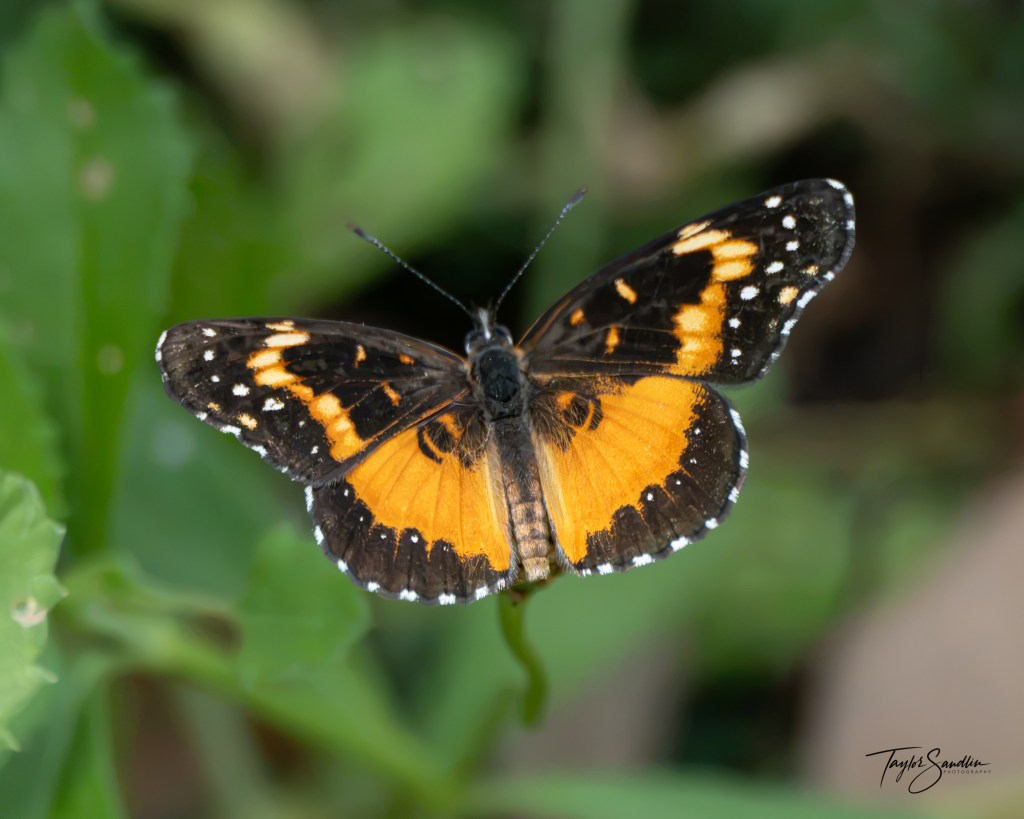
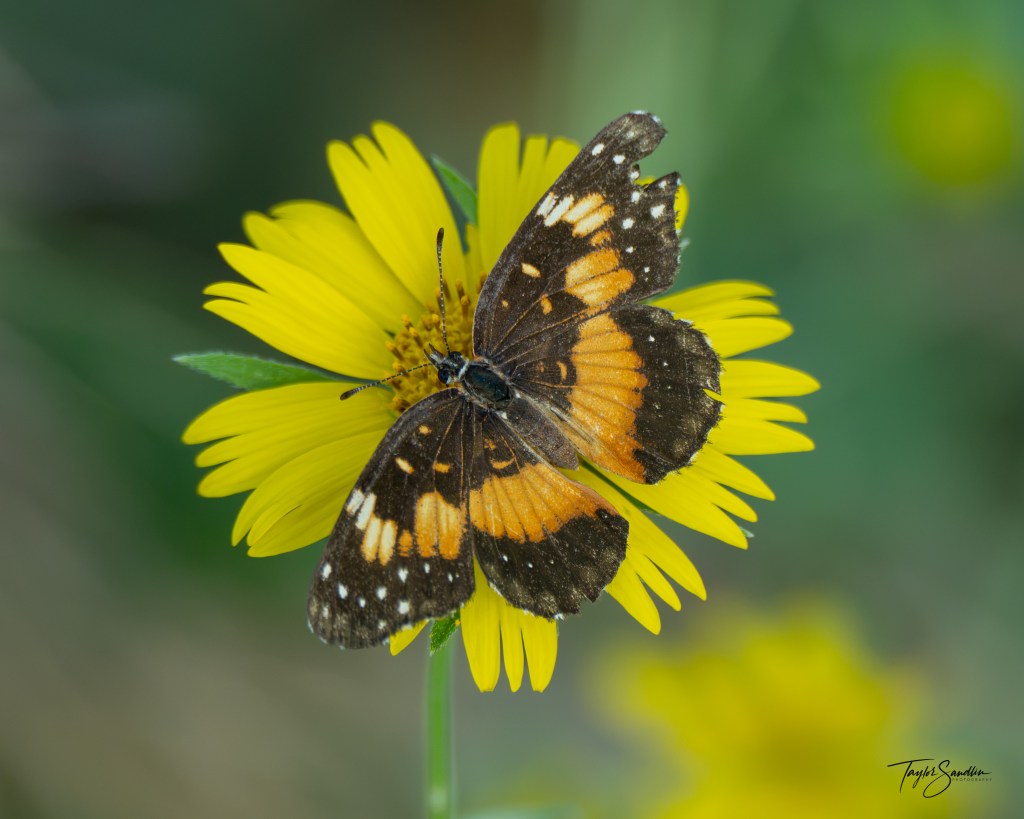
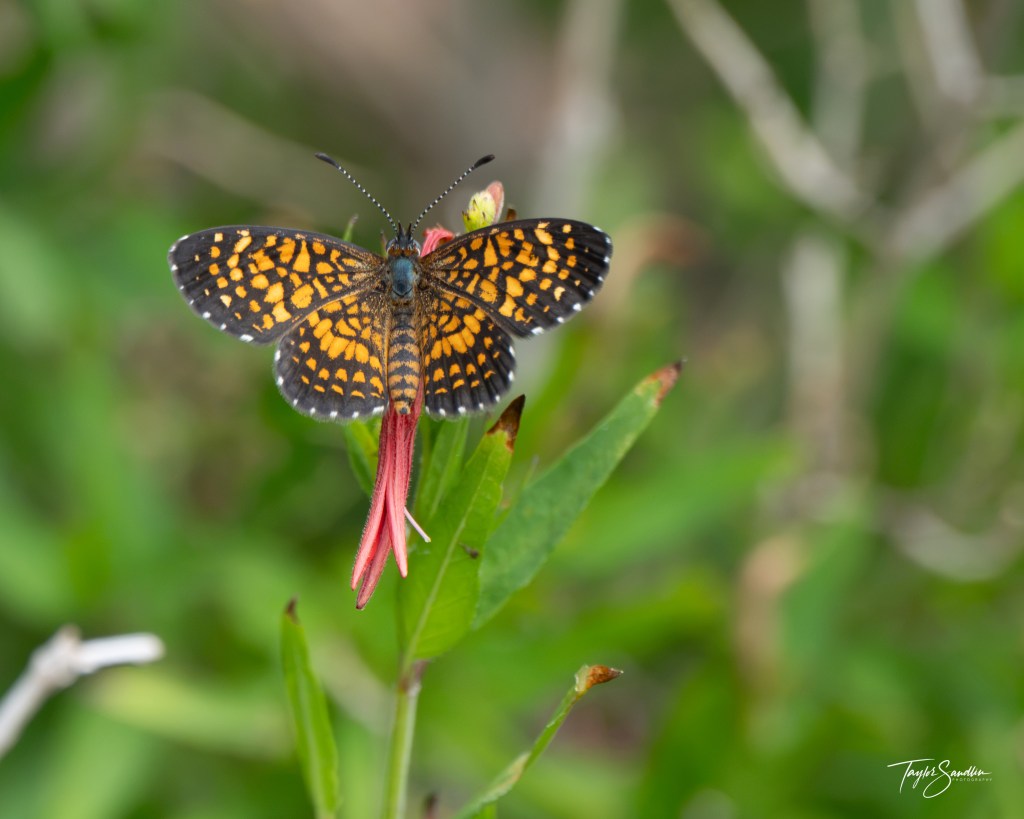
The Bordered Patch’s range extends throughout west and south Texas. It usually looks like the header picture, but has a number of varieties including a few with almost no orange on the top side of the wings. These are found in far west Texas, New Mexico, and Arizona. It lives in brush fields and thorn scrub. I have seen this butterfly throughout west Texas and it was a frequent visitor to my San Angelo backyard. It is attracted to sunflowers, goldeneye, daisies, and even ragweed.
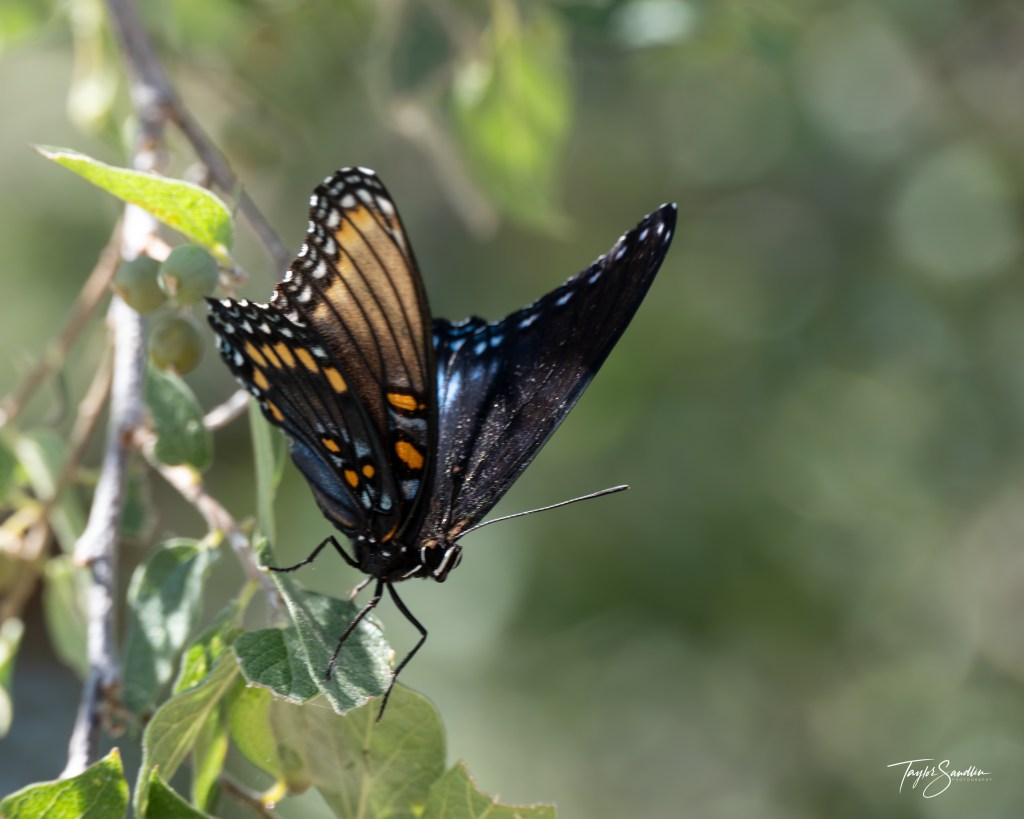
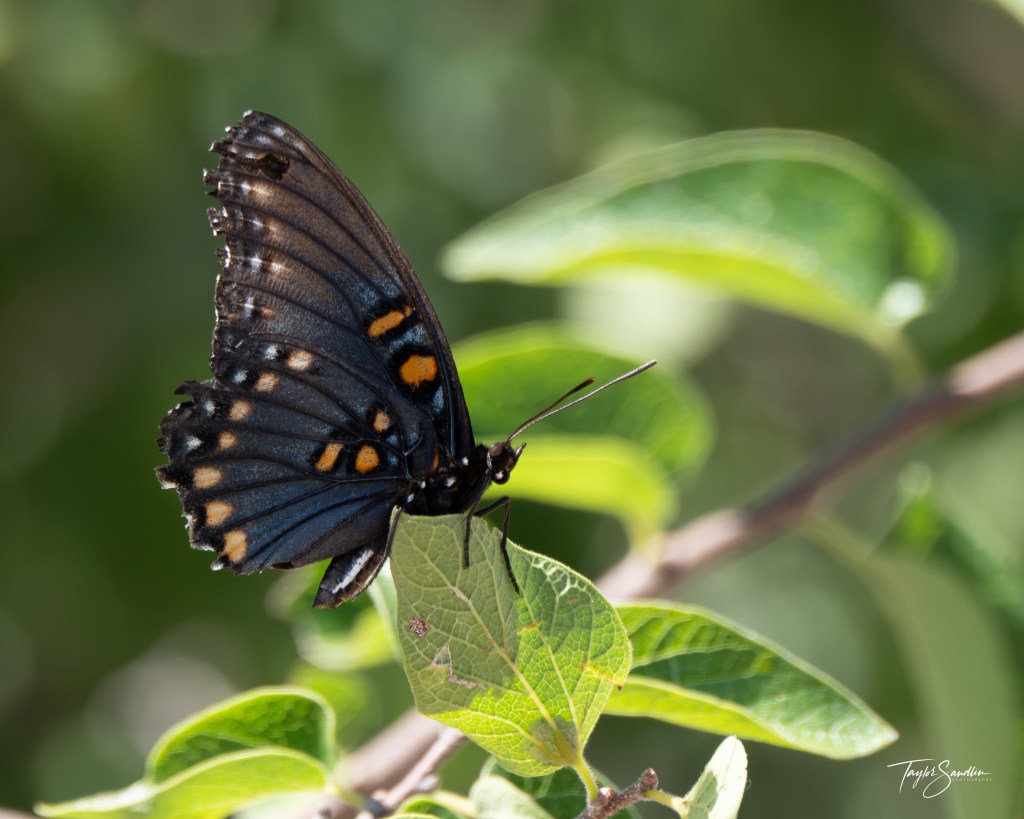
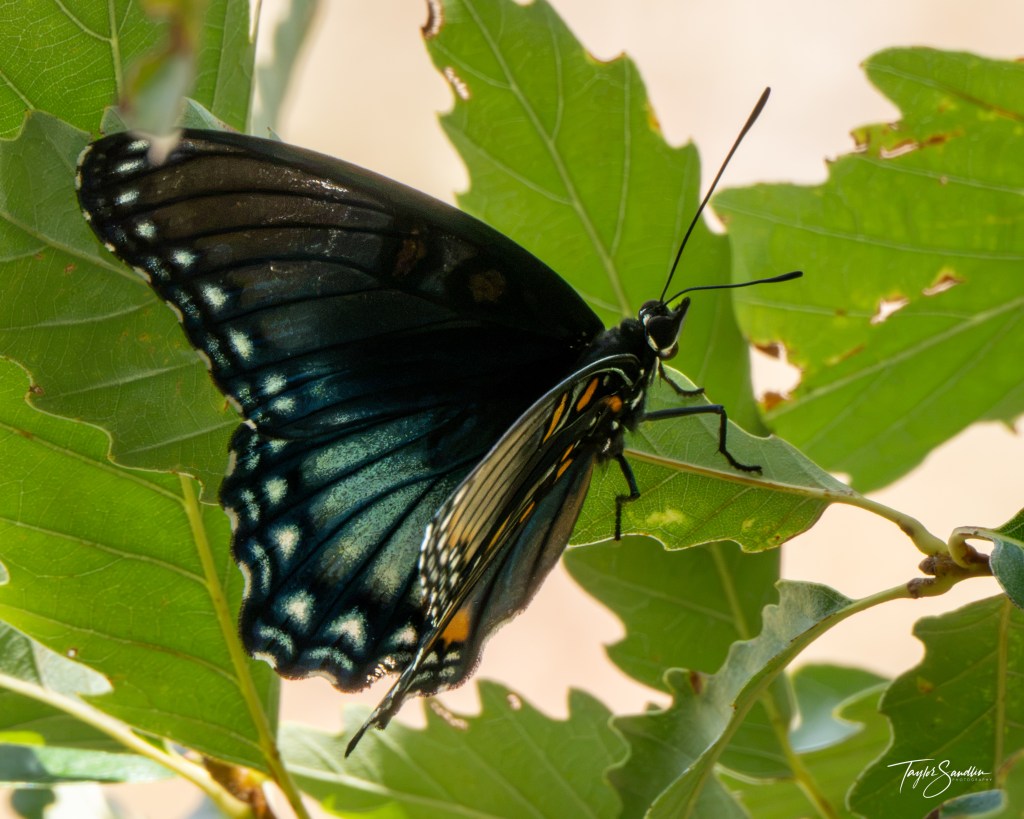
Limenitis arthemis arizonensis
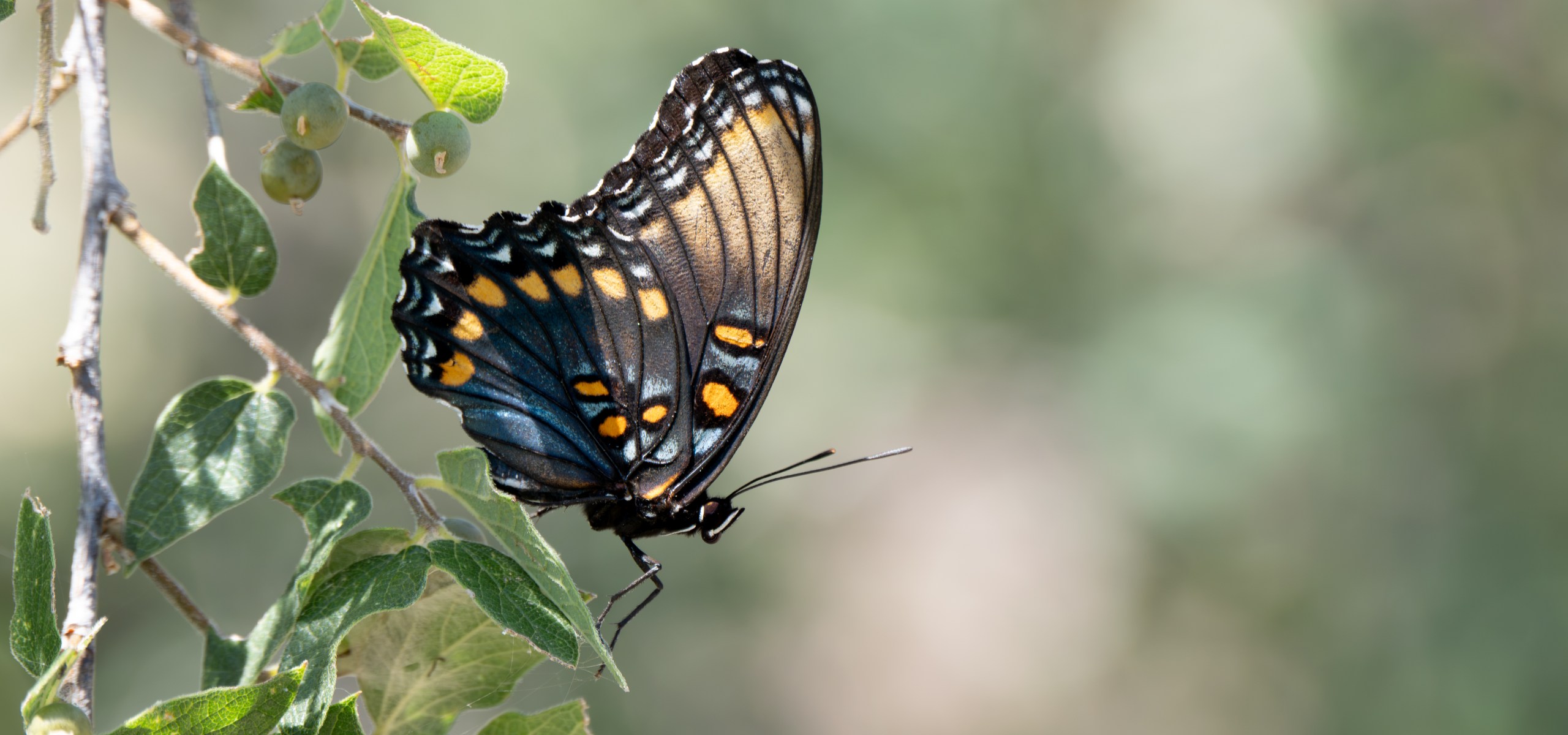
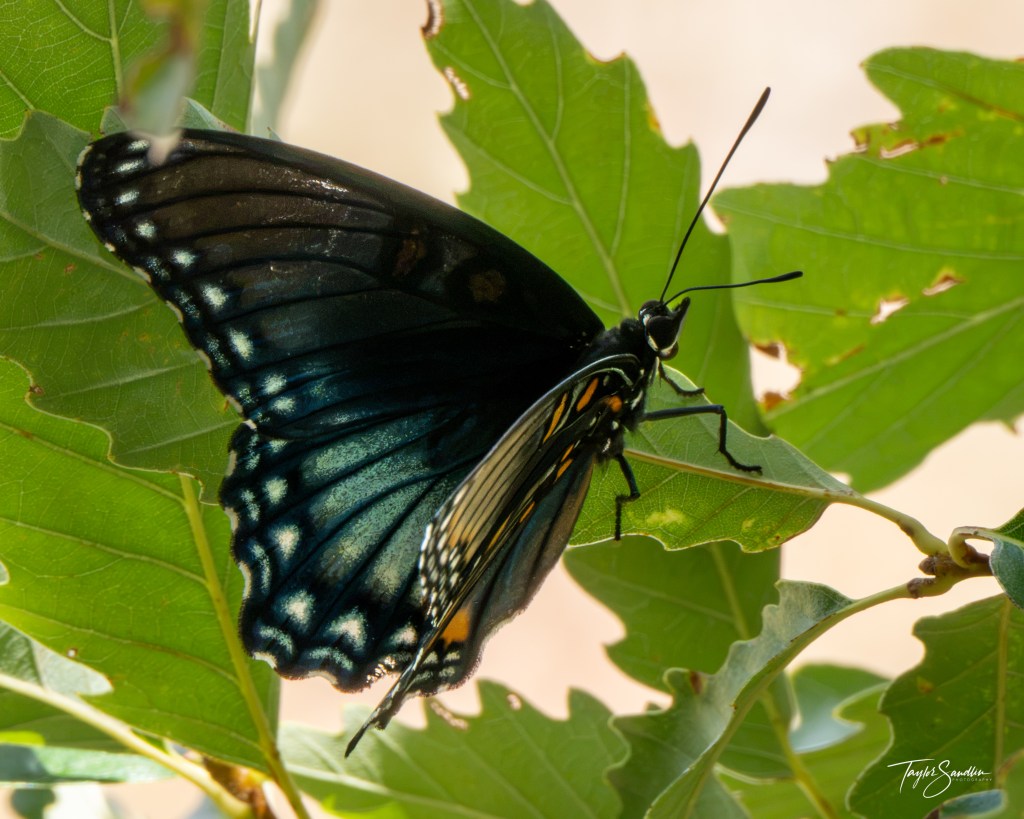
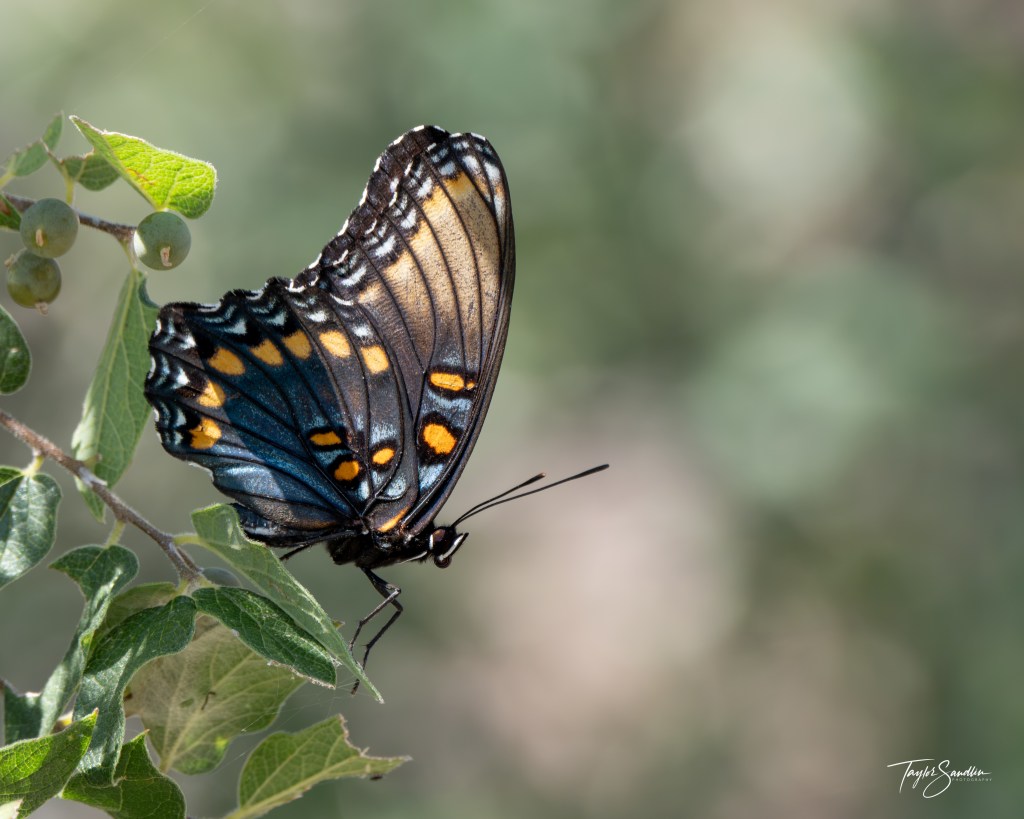
The Red-spotted Admiral has three varieties of subspecies in North America. The purple subspecies shown in this post is split into two distinct groups. Limenitis arthemis arizonensis is found in the southwest throughout Mexico’s border with Texas, New Mexico, and Arizona along desert river and creek corridors. Limenitis arthemis astyanax is found throughout wooded areas in the midwest and southestern parts of the United States including east Texas. The two groups of the purple subspecies look identical to one another. The white subspecies, which looks quite different from the purple subspecies, is found in Canada.
The upper sides of the wings area black that fade into iridescent blue. The underside of the wings have clear red-orange spots.
I found the Red-spotted Admiral in almost every spot I visited in a recent trip to Fort Davis, Texas. It was always in the trees.
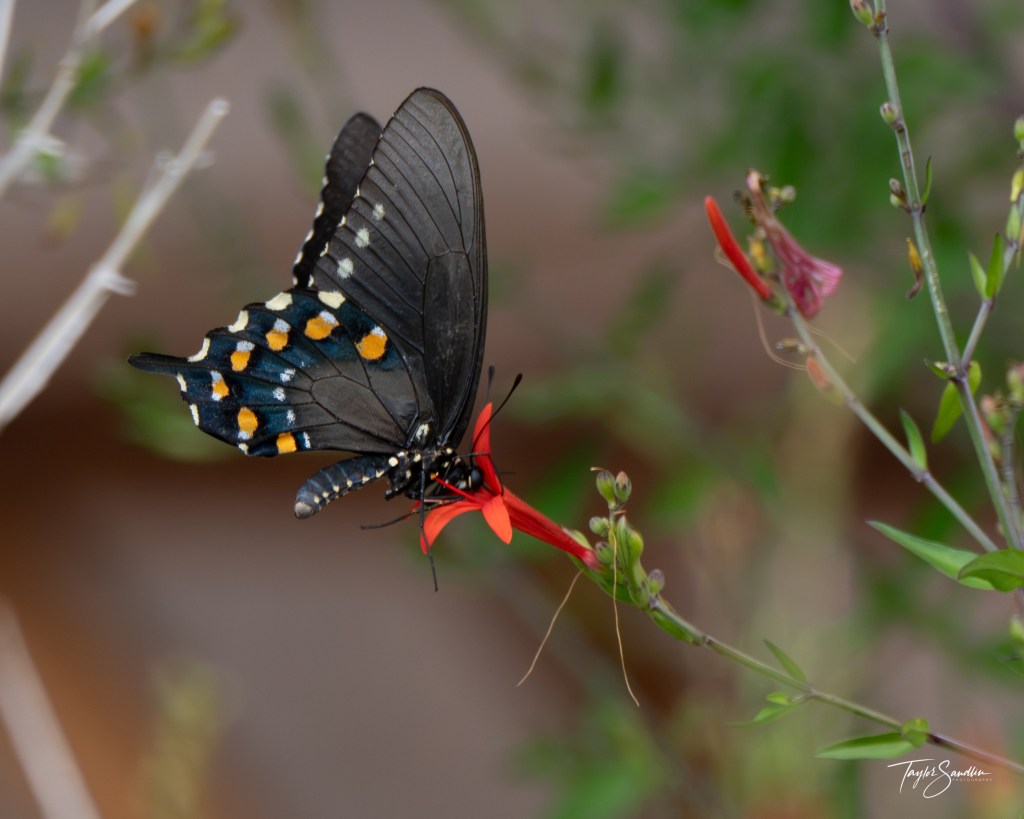
Similar species: Pipevine Swallowtail, Black Swallowtail, Spicebush Swallowtail
Chihuahuan Desert Nature Center
43869 S. Hwy 118, Fort Davis, TX 79734
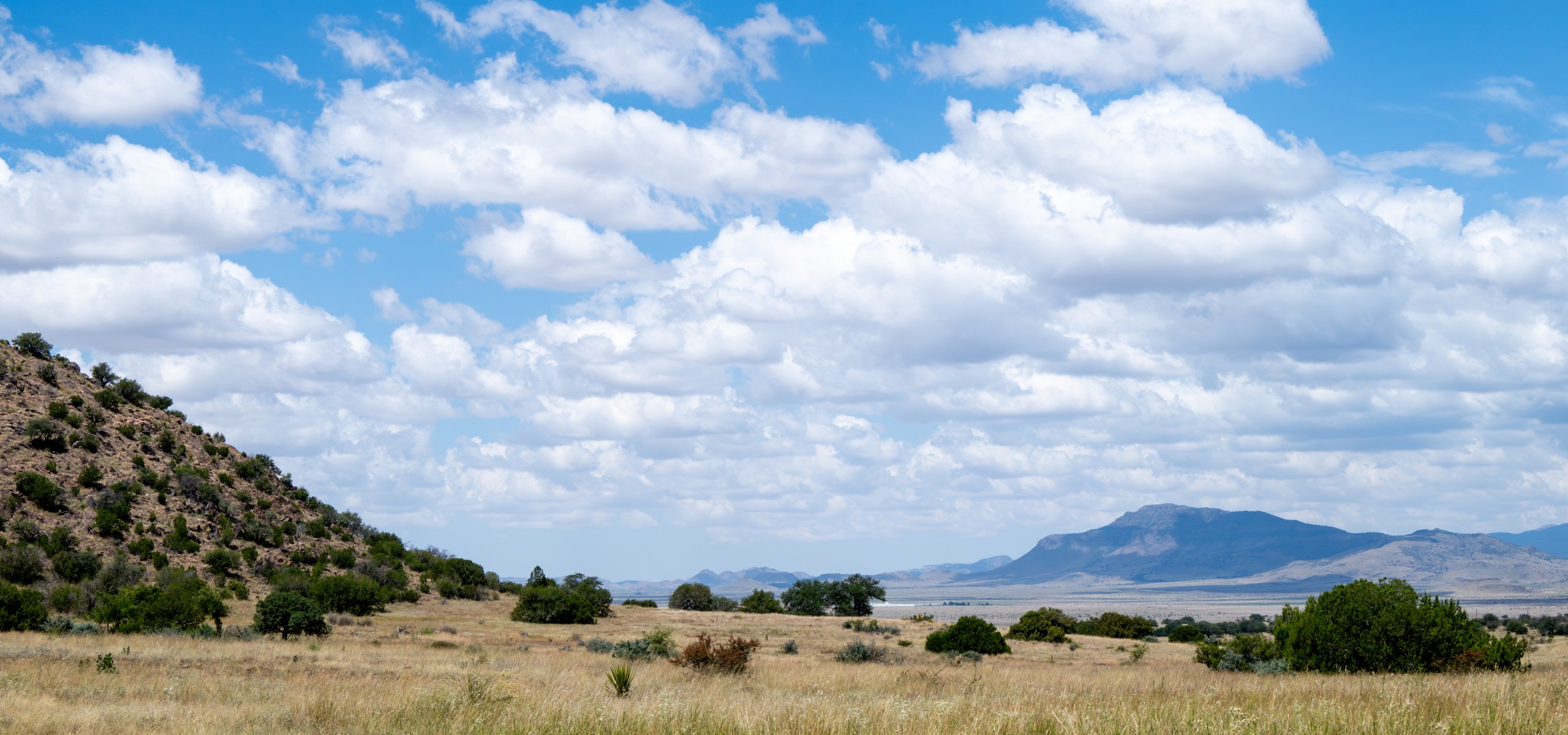
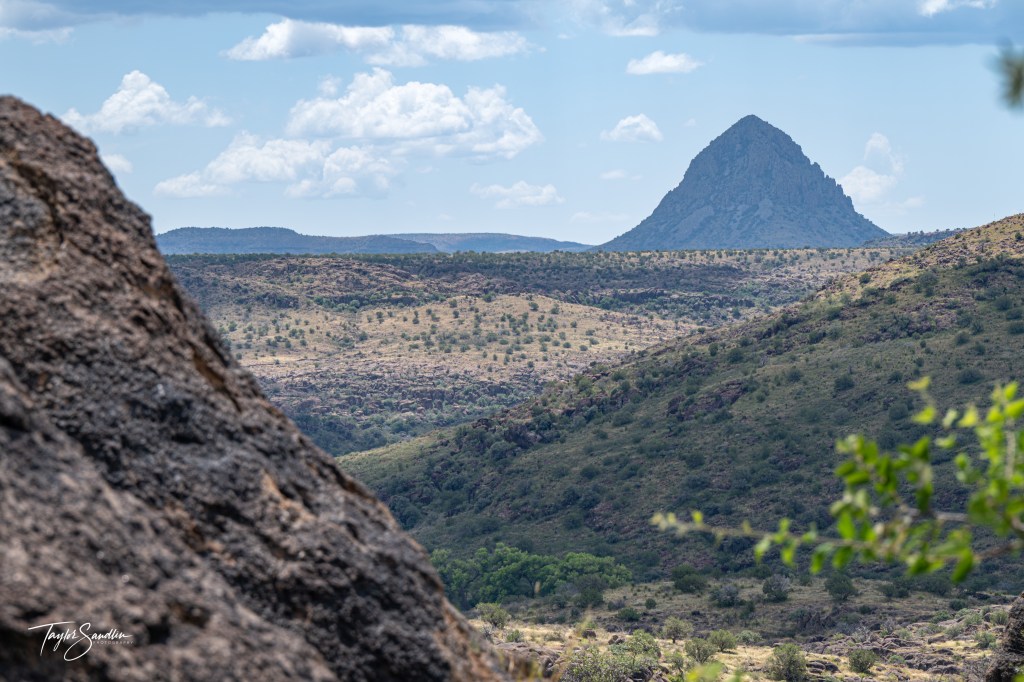
The Chihuahuan Desert Nature center is located five miles outside of Fort Davis down State Highway 118. In the foothills of the Davis Mountains at an elevation of 5,100 ft., it has a number of opportunities to see a variety of butterfly species. It hosts a desert botanical garden, a cactus museum, and an extended amount of hiking trails. The gardens include a pollinator garden, native plants, and several opportunities to see west Texas butterflies.

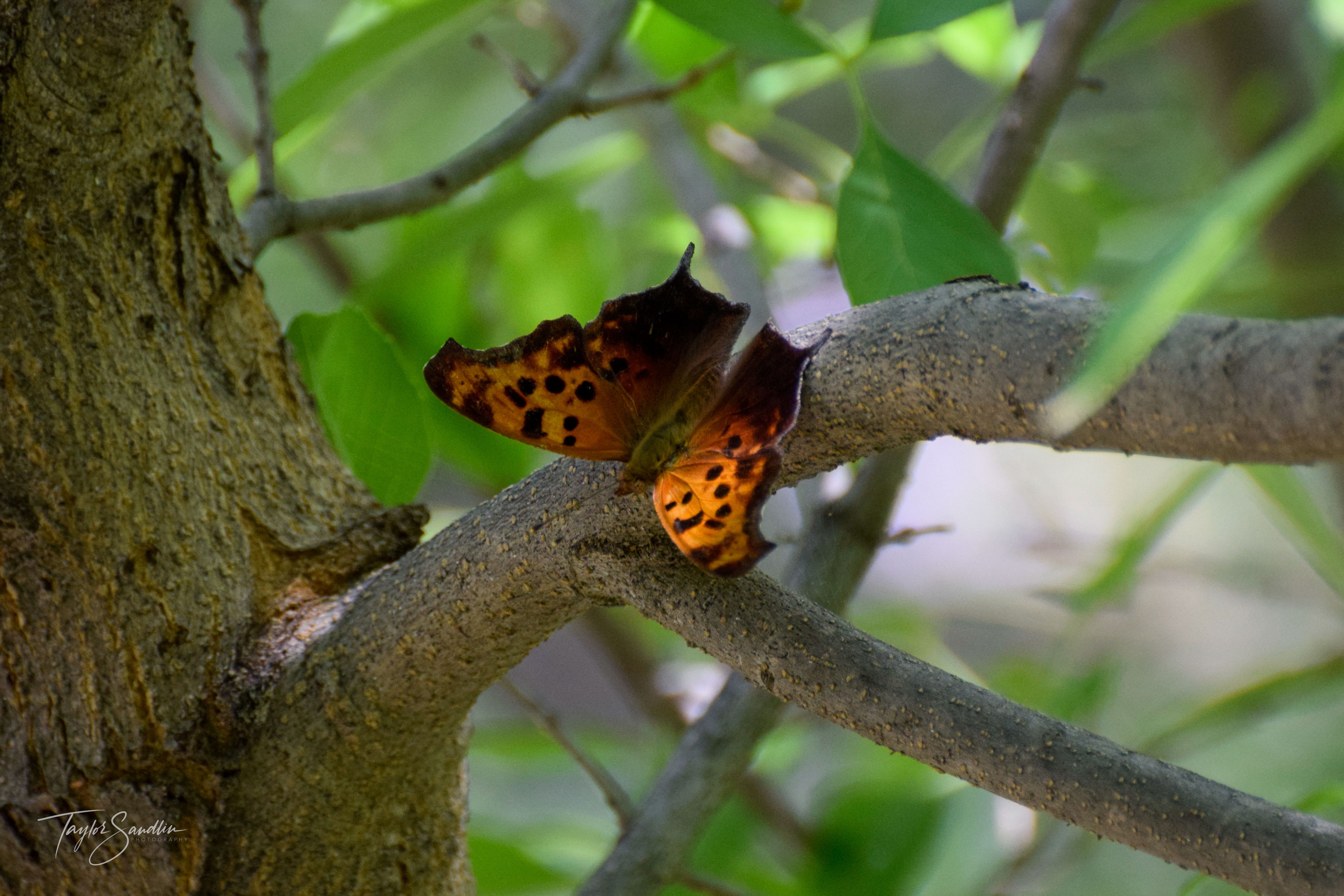
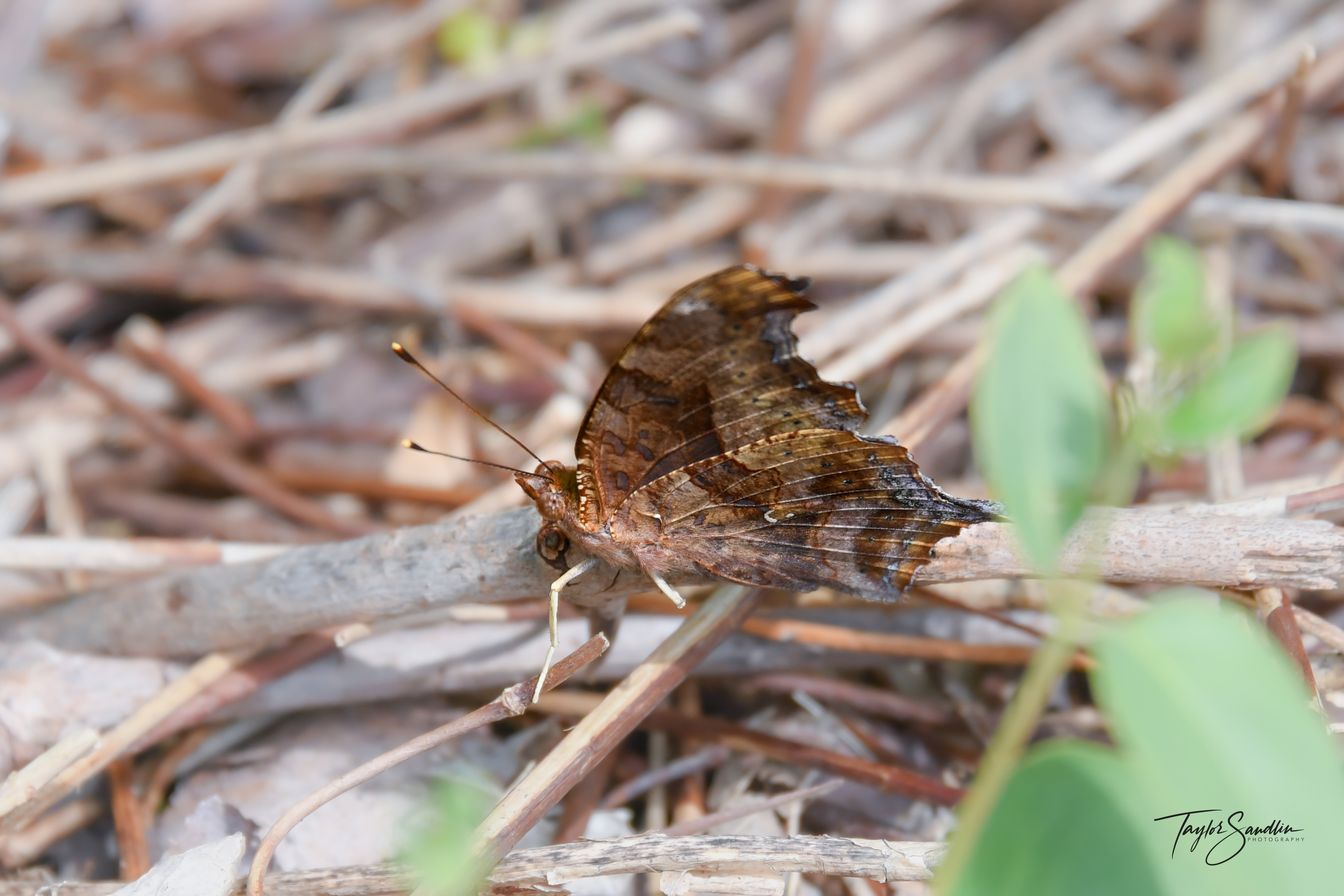
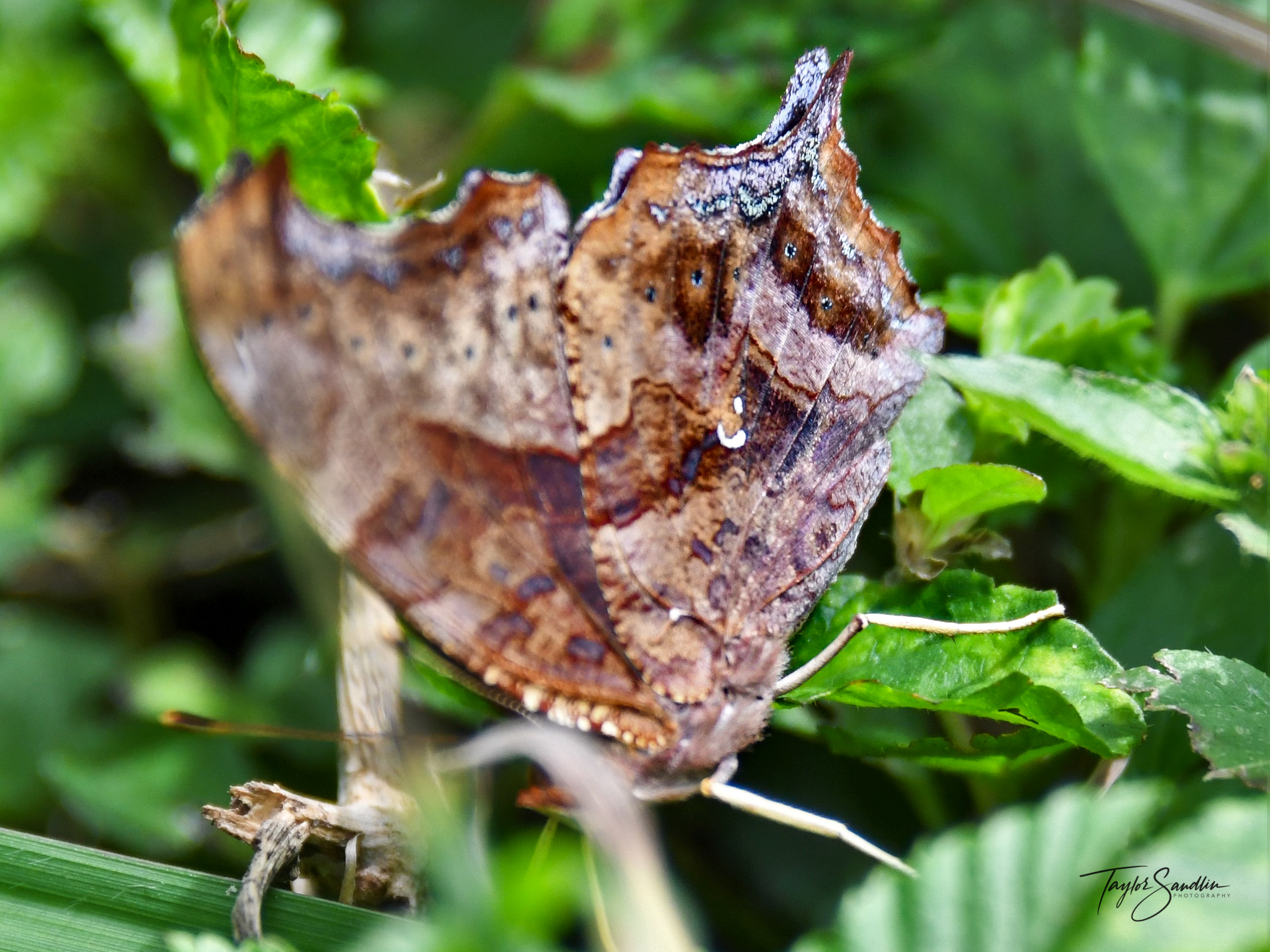
Question Mark
Polygonia interrogationsis
This butterfly can be found throughout the state of Texas. When it is in flight, its bright orange might make one mistake it for the many orange butterflies that fly throughout the state, but it can disappear in a moment when it closes its wings in the trees.
This anglewing butterfly will disappear in the trees. Its irregular wing shape makes it appear as one dead leaf among many. Still, its comma plus a dot silver markings set it apart as a “Question Mark” in the woodland areas of Texas.
The Question Mark will rarely be found upon flowers. Instead, it feeds upon tree saps, rotting food, and even animal dung.




American Snout
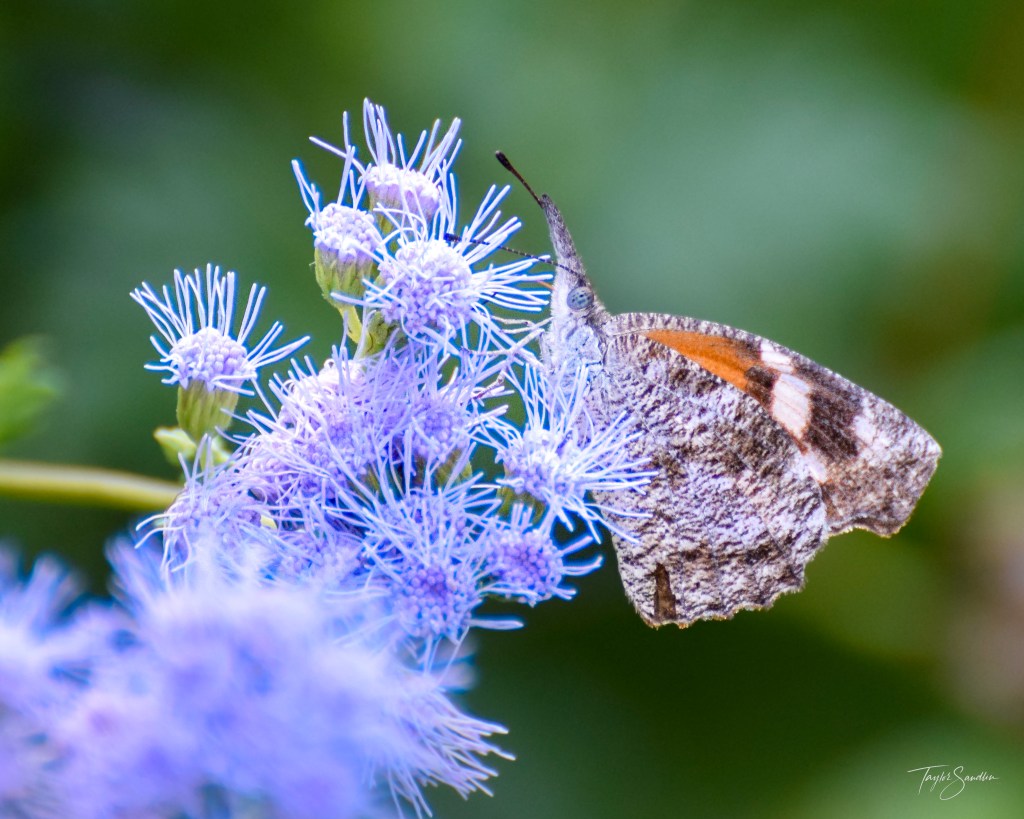
Libytheana carinenta
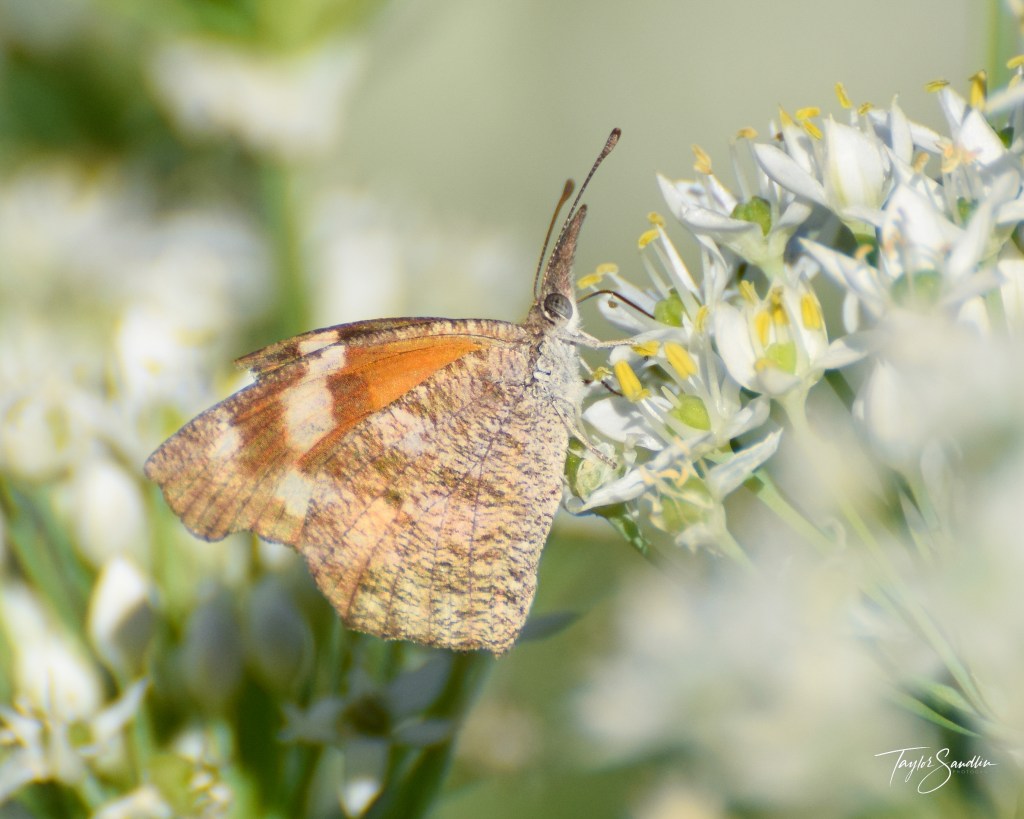
The American Snout is the ugly duckling of butterflies. Its long palps give it the snout-like look. When it opens its wings there is a flash of orange to see. The hindwings can have quite a bit of variation. Most of those pictured below have a mottled gray hindwing, but I’ve also seen them with plain gray hindwings and with stronger gray and white markings.
It can be found throughout the state in great numbers but is most prominent in the south. At times, these butterflies take flight in mass and you can see thousands in the air at one time. I’ve experienced this in both west and south Texas.




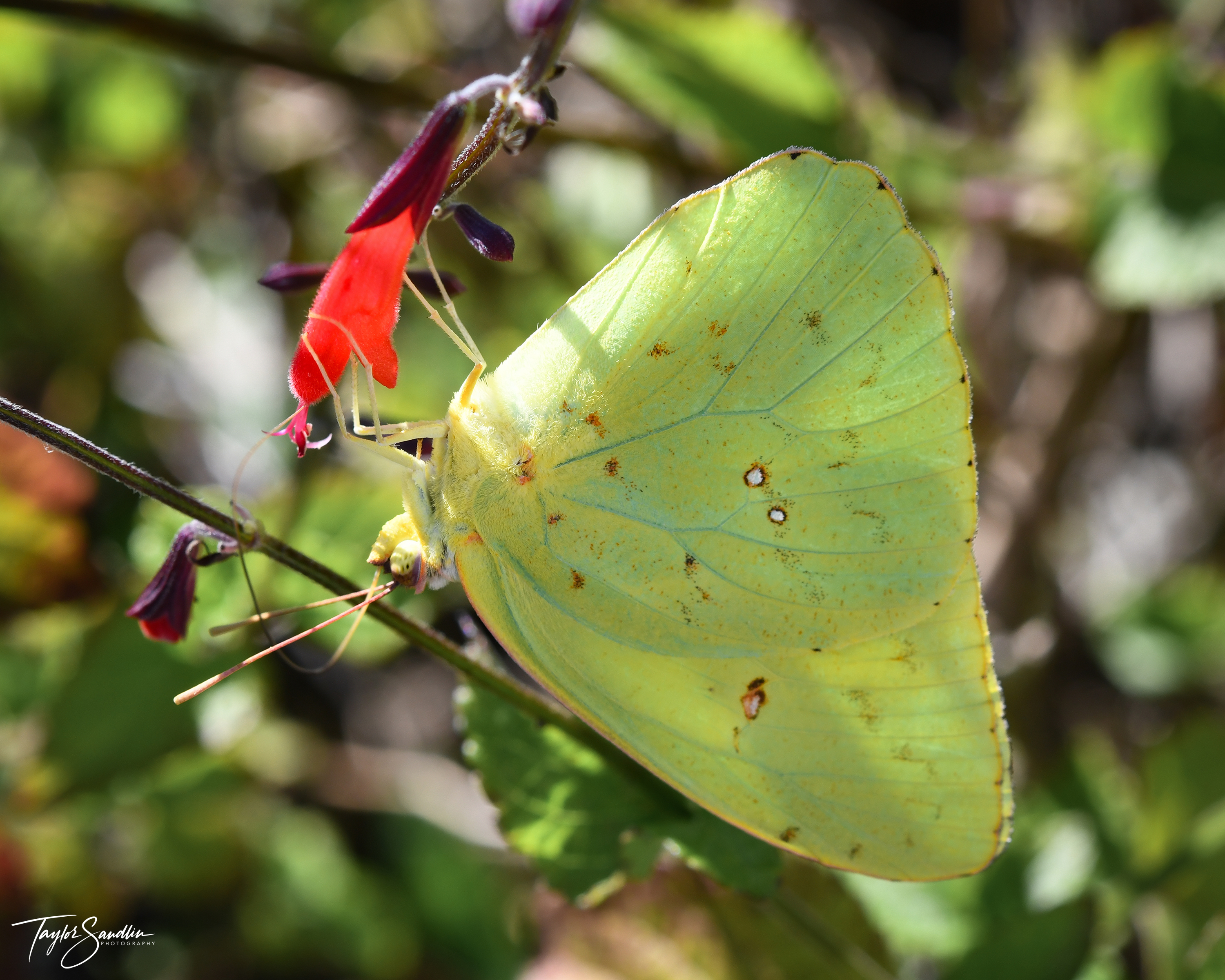
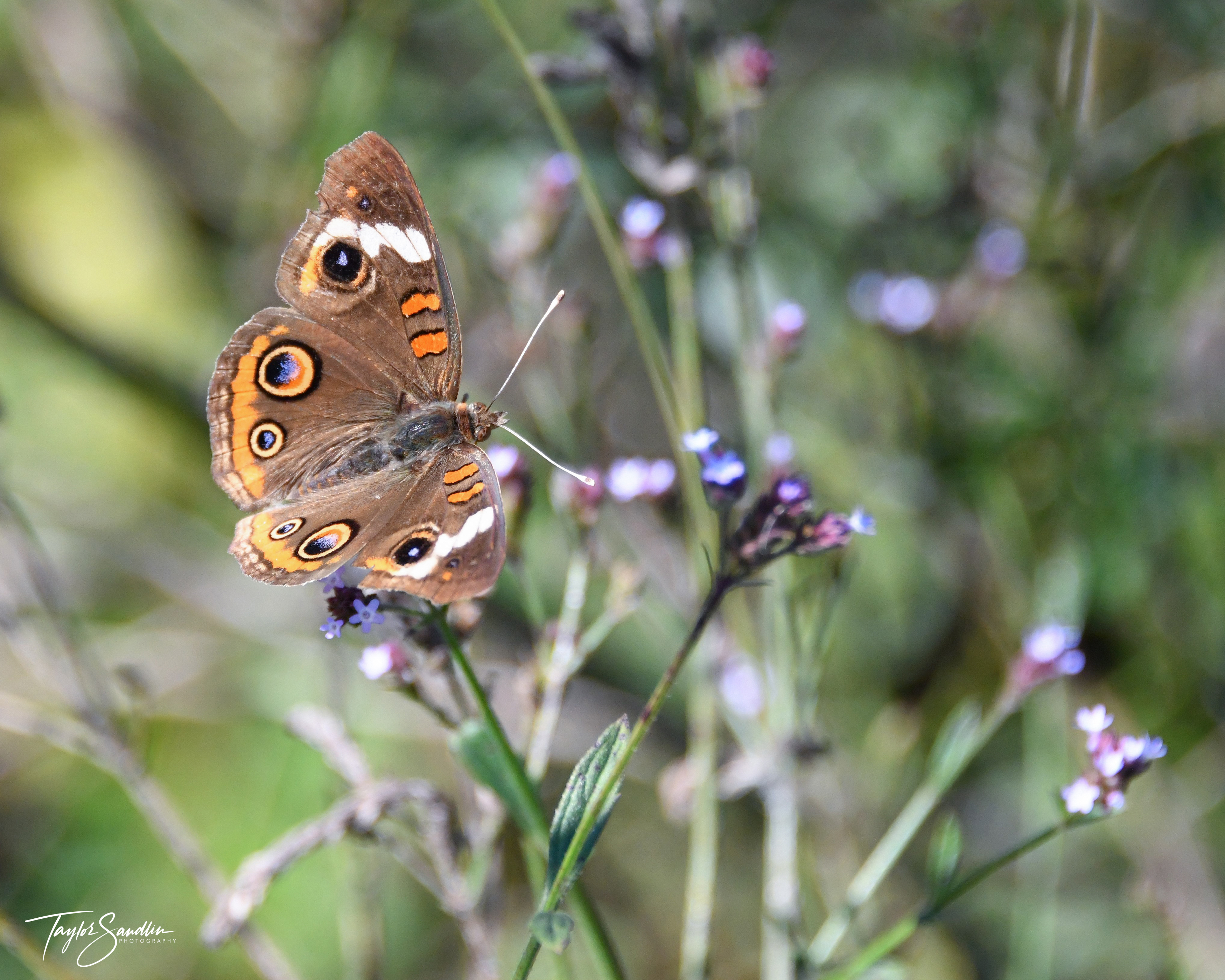
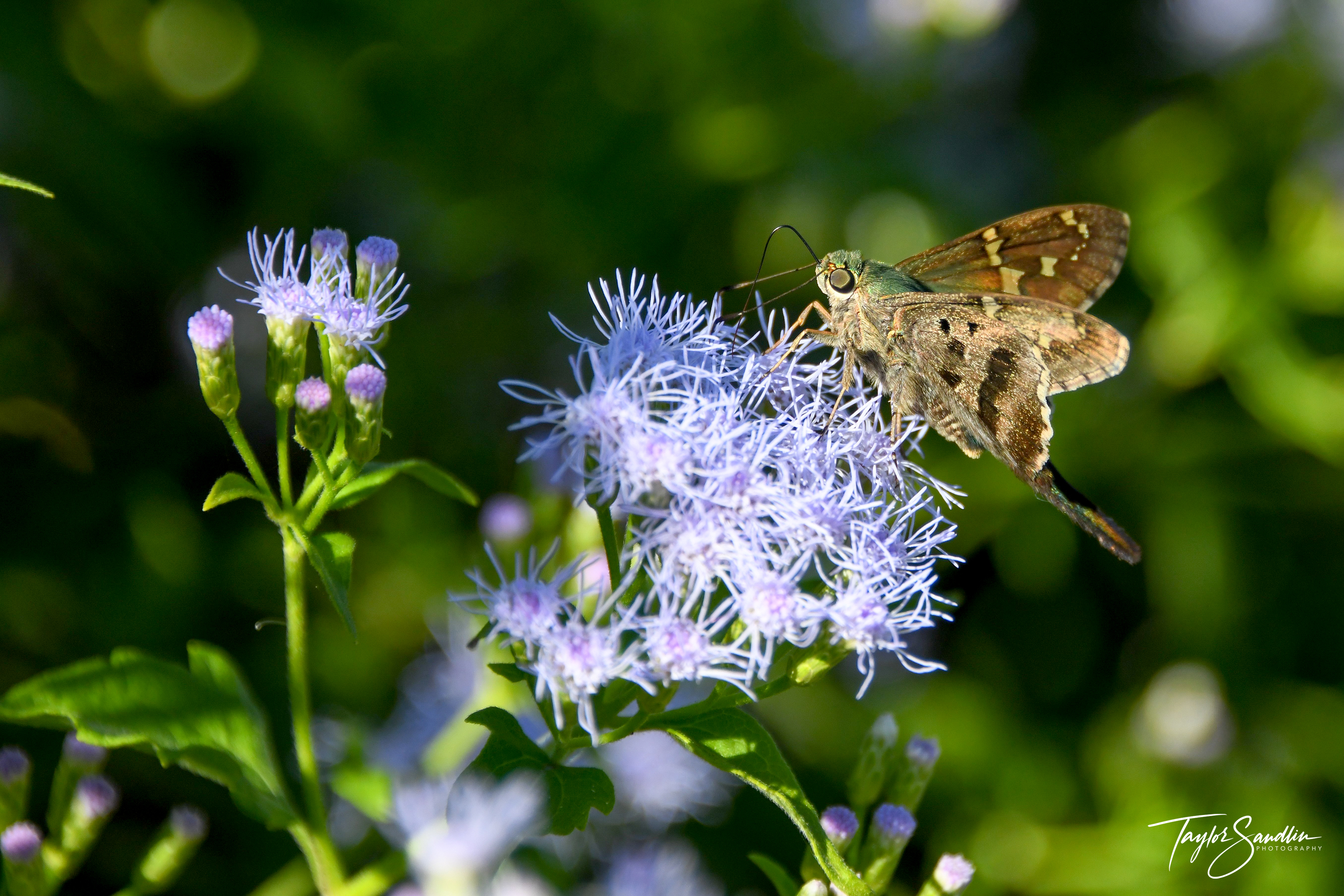
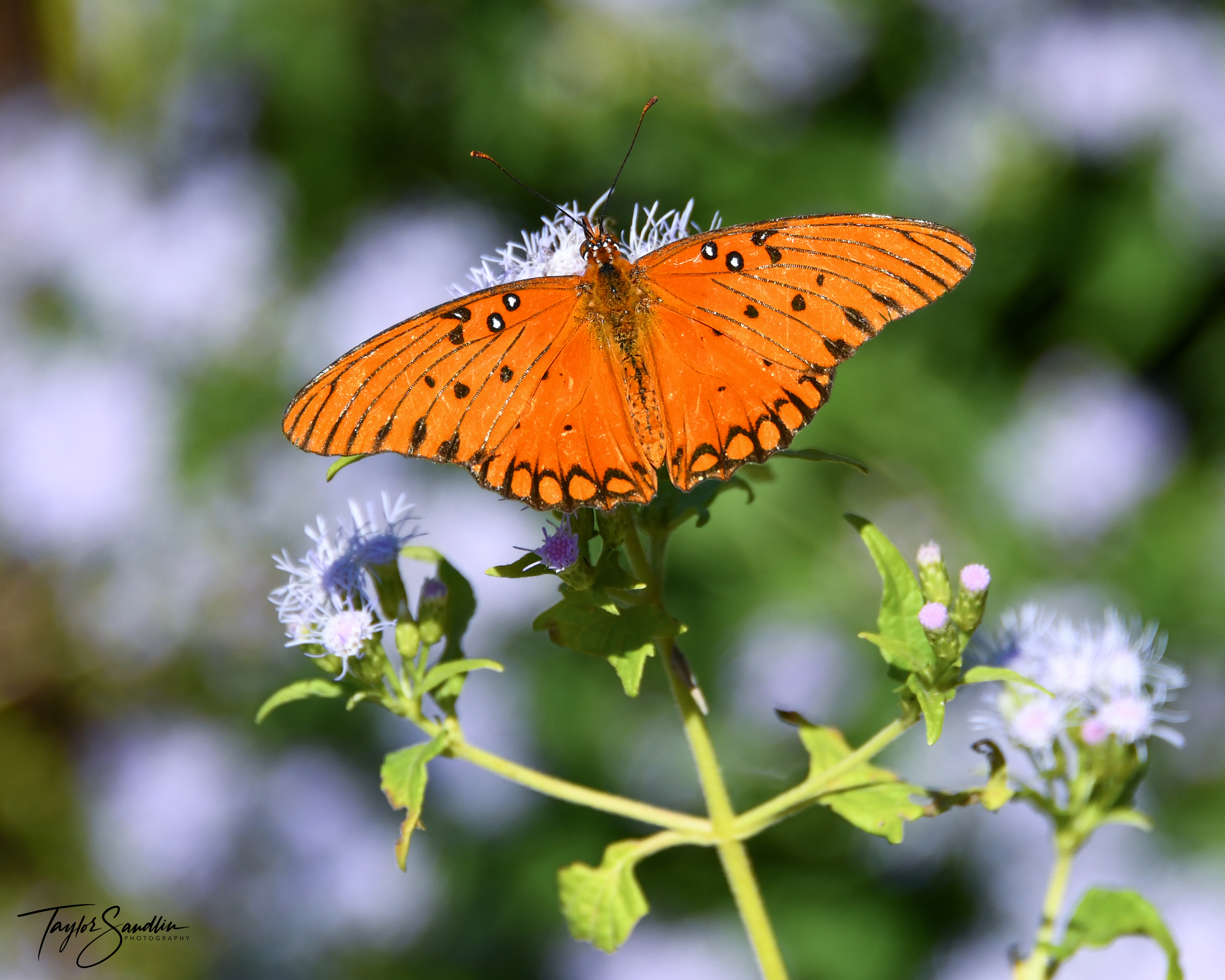
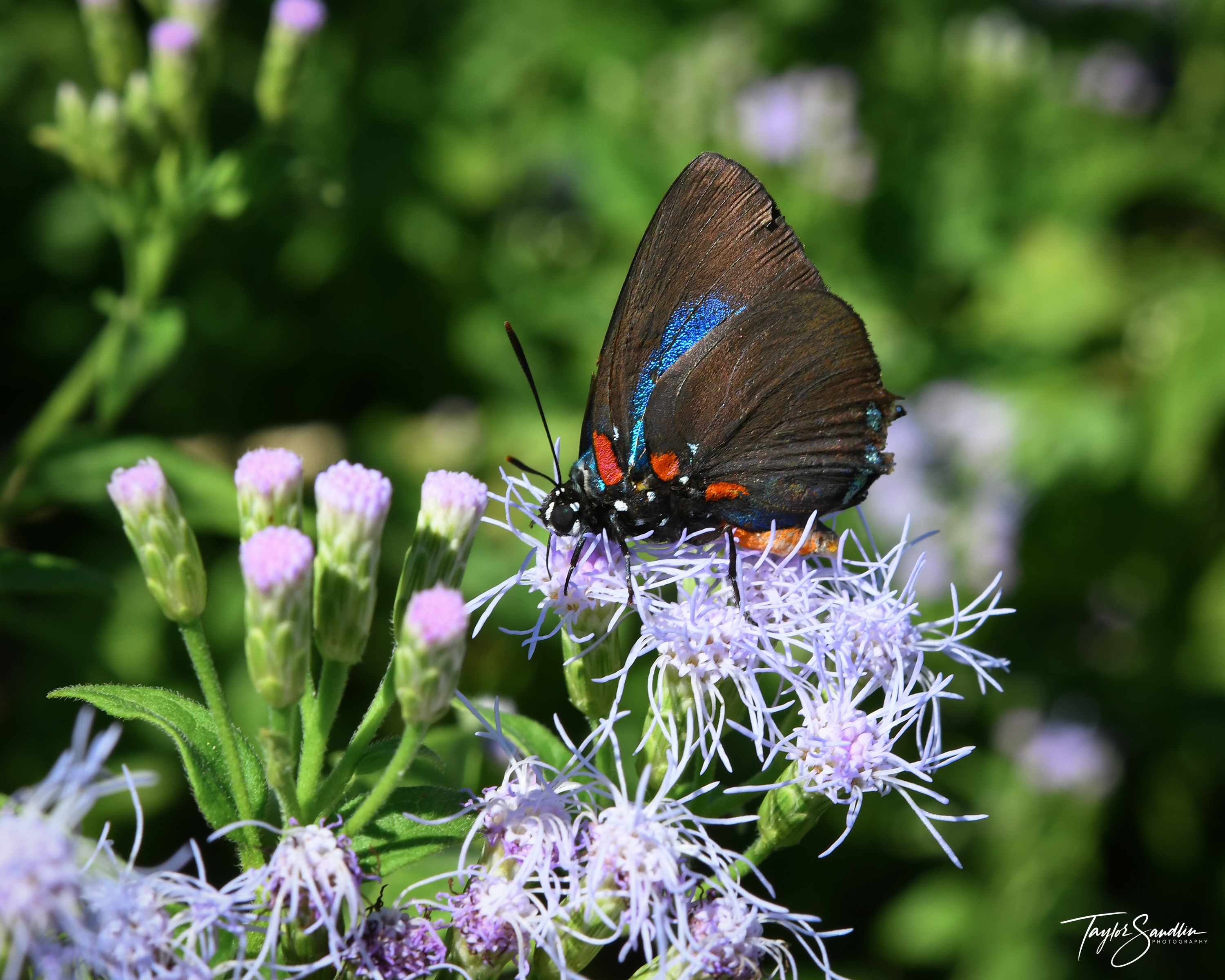
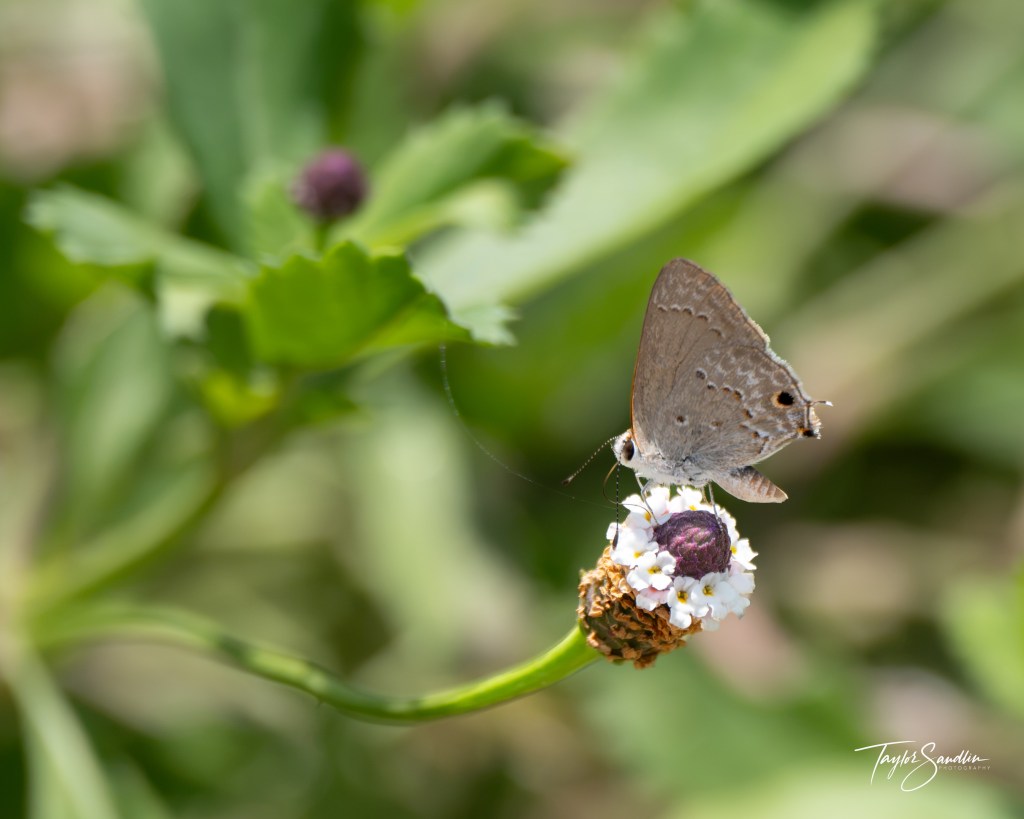
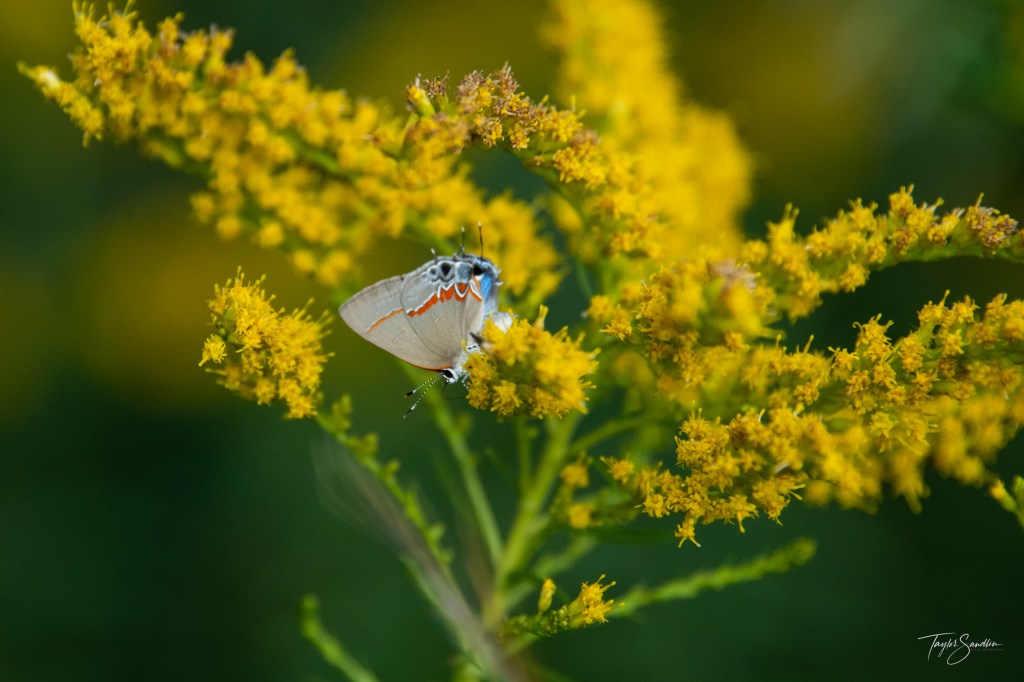
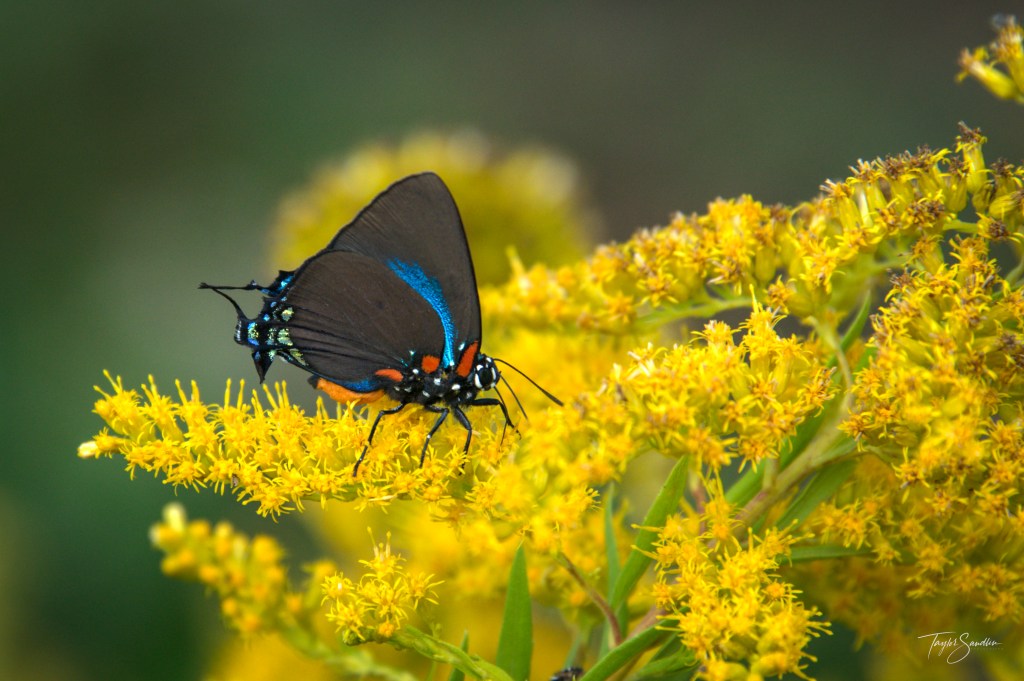
This fall has been busy on the home front, but I managed a couple of trips out to one of my favorite spots – Seabourne Creek Nature Park. The goldenrod was in full bloom and proved attractive to both Great Purple Hairstreaks and Dusky-Blue Groundstreaks. The Greg’s Bluemist drew a company of regulars including Common Buckeyes, Monarchs, Long-tailed Skippers and more.
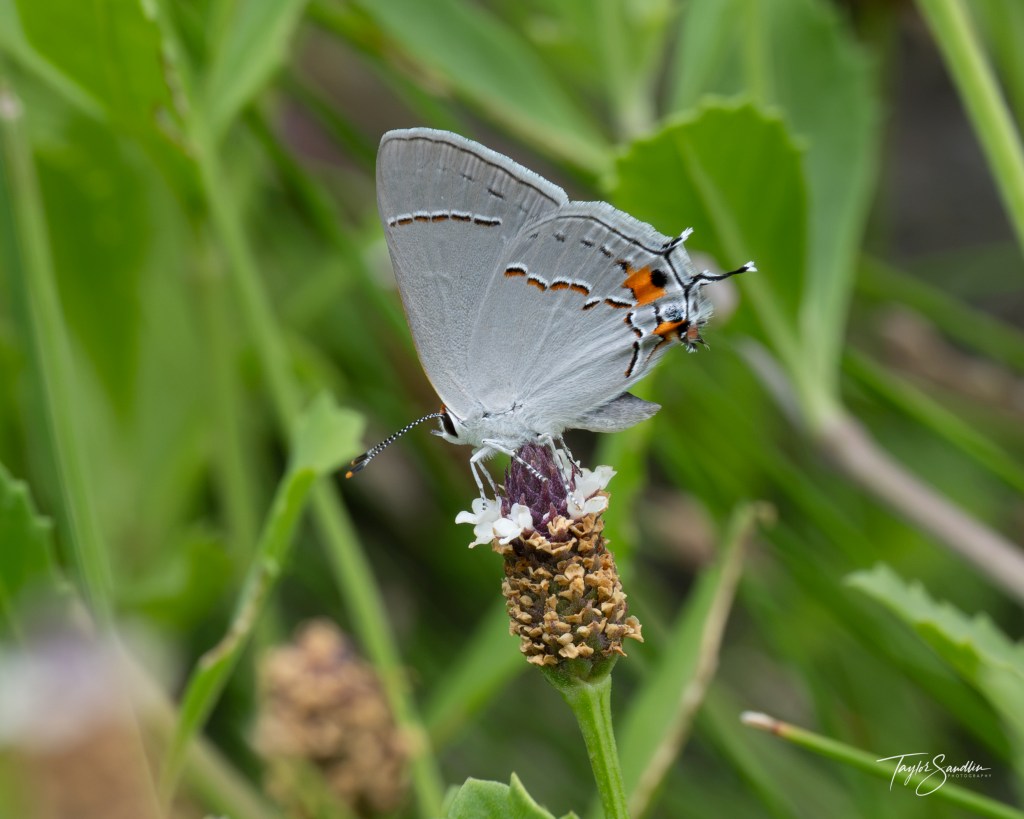
Altogether I spotted: Blue-Dusky Groundstreak, Clouded Skipper, Common Buckeye, Fiery Skipper, Giant Swallow Tail, Great Purple Hairstreak, Gray Hairstreak, Gulf Fritillary, Little Yellow, Monarch, Least Skipper, Long-Tailed Skipper, Pearl Crescent, White Checkered Skipper, and a White-Striped Longtail.


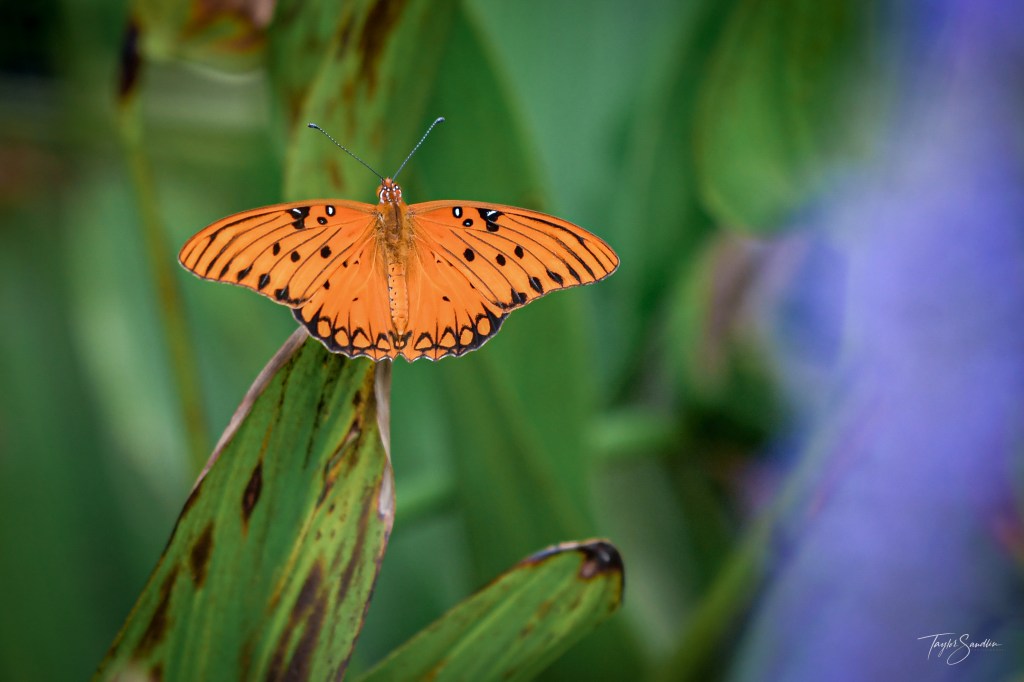


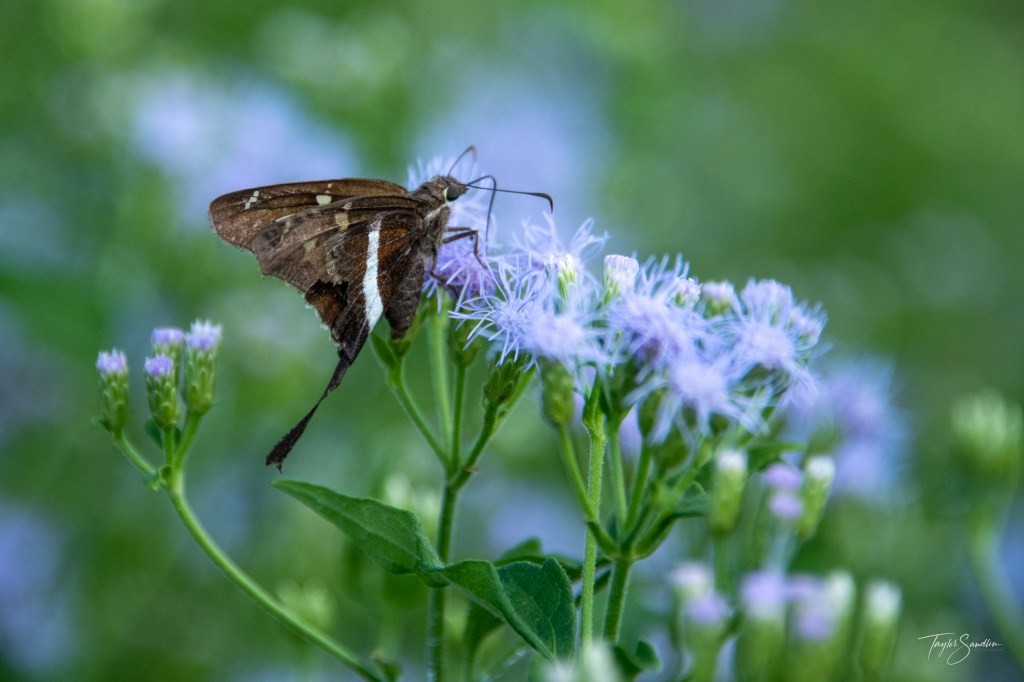

People often think of spring as prime time for butterflies. The truth is, in Texas, autumn is the best time for butterflies. This past Friday is a case in point. I made it out to one of my favorite spots in southwest Houston, Seabourne Creek Nature Park, and saw more butterflies than I have ever seen there. The butterfly garden was in full fall bloom and the Blue Mist was crawling with all sorts of butterflies.
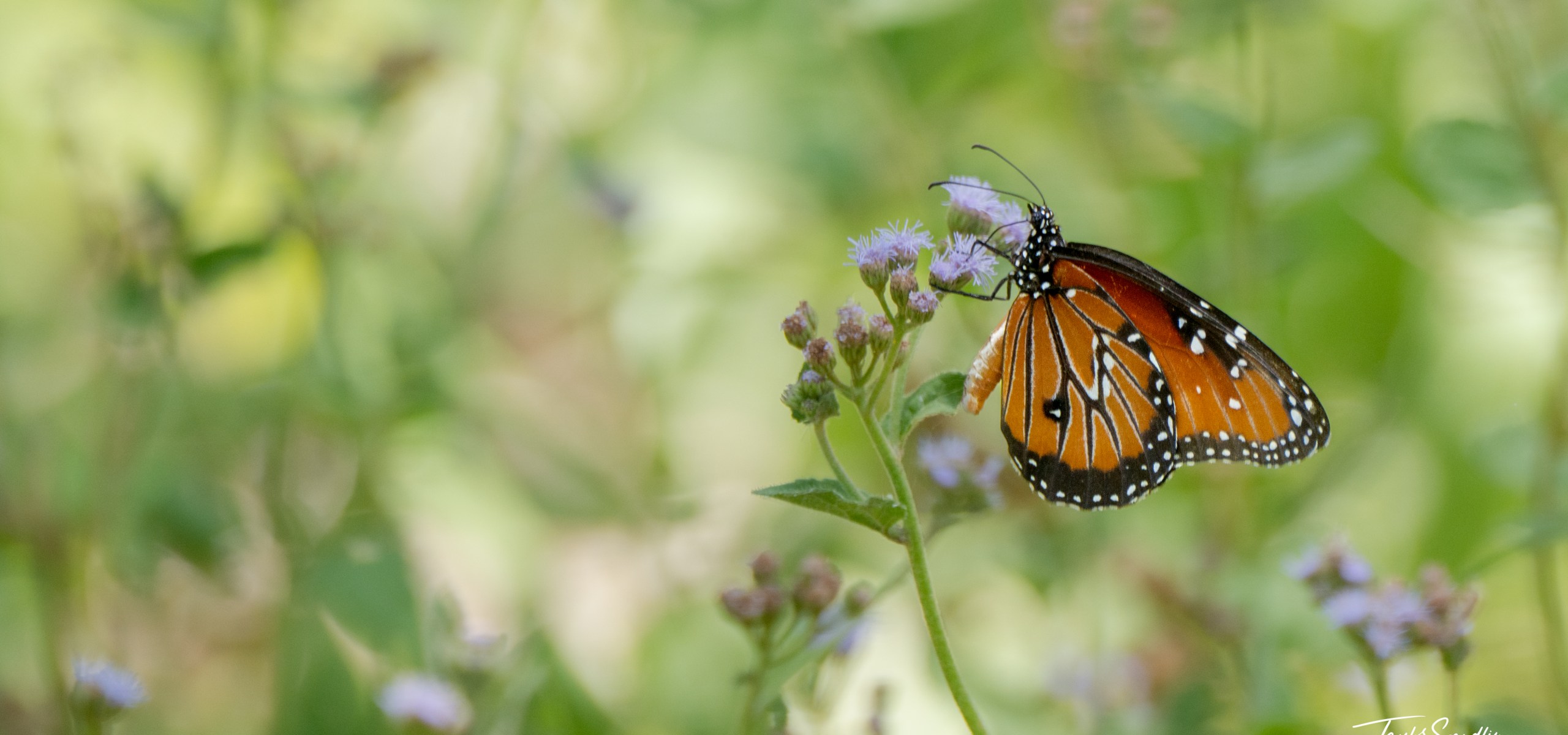
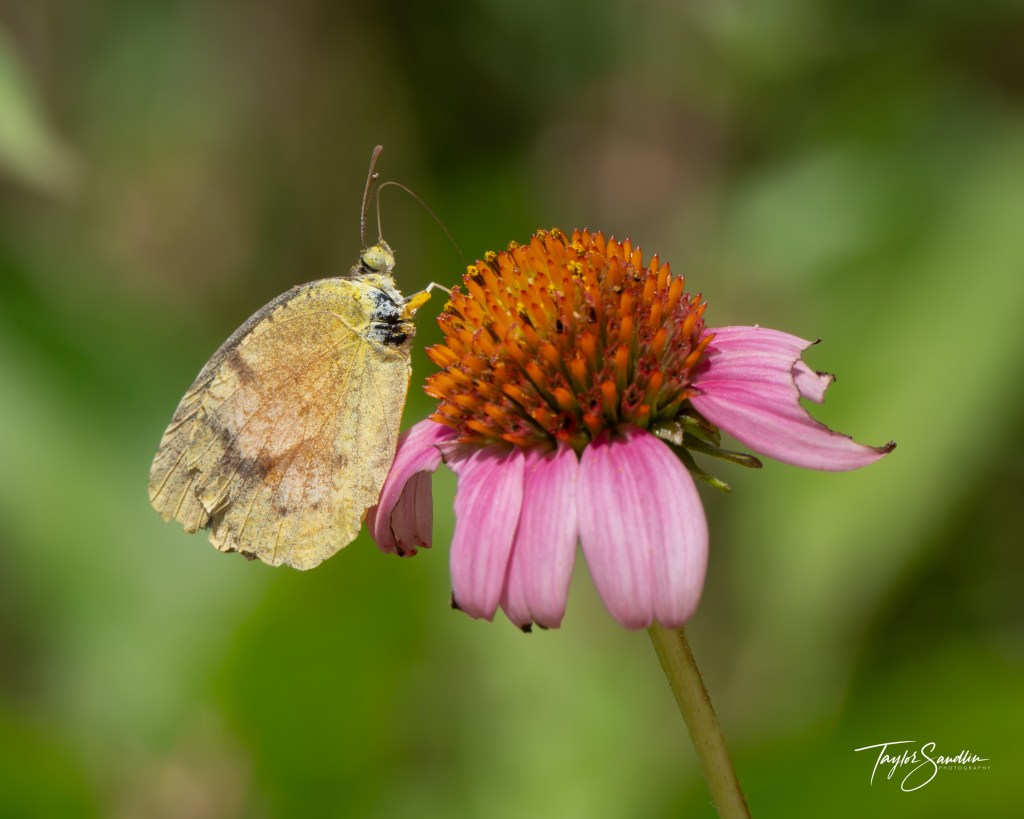
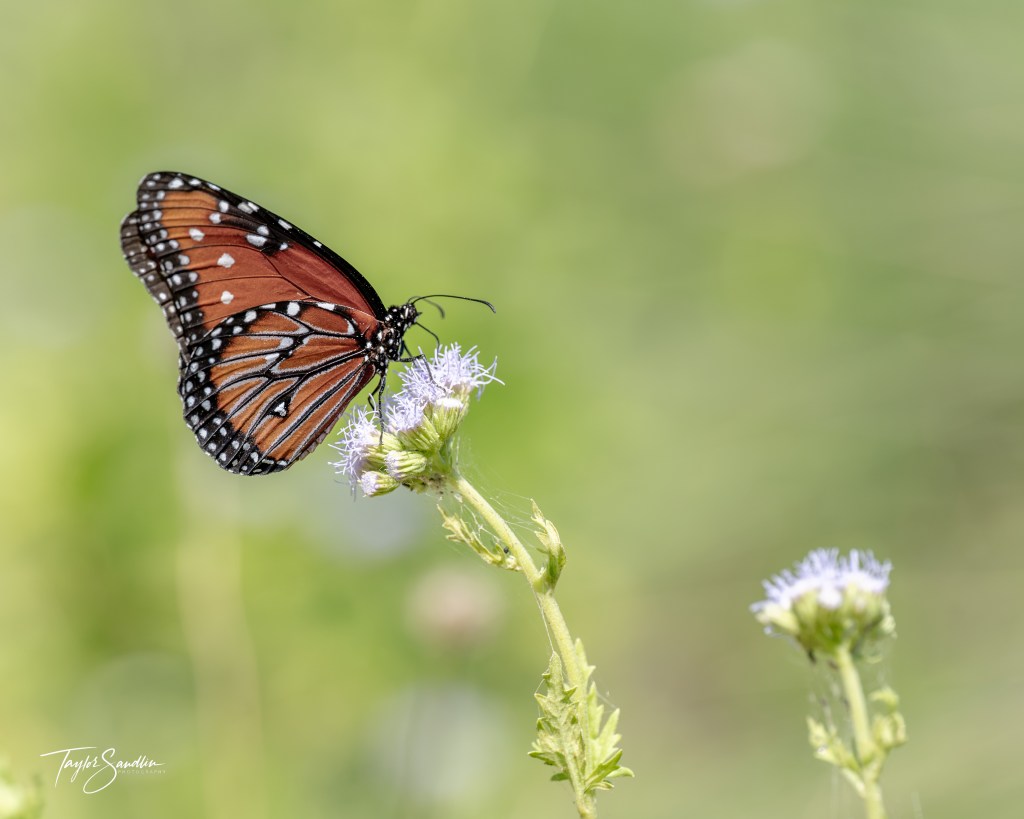
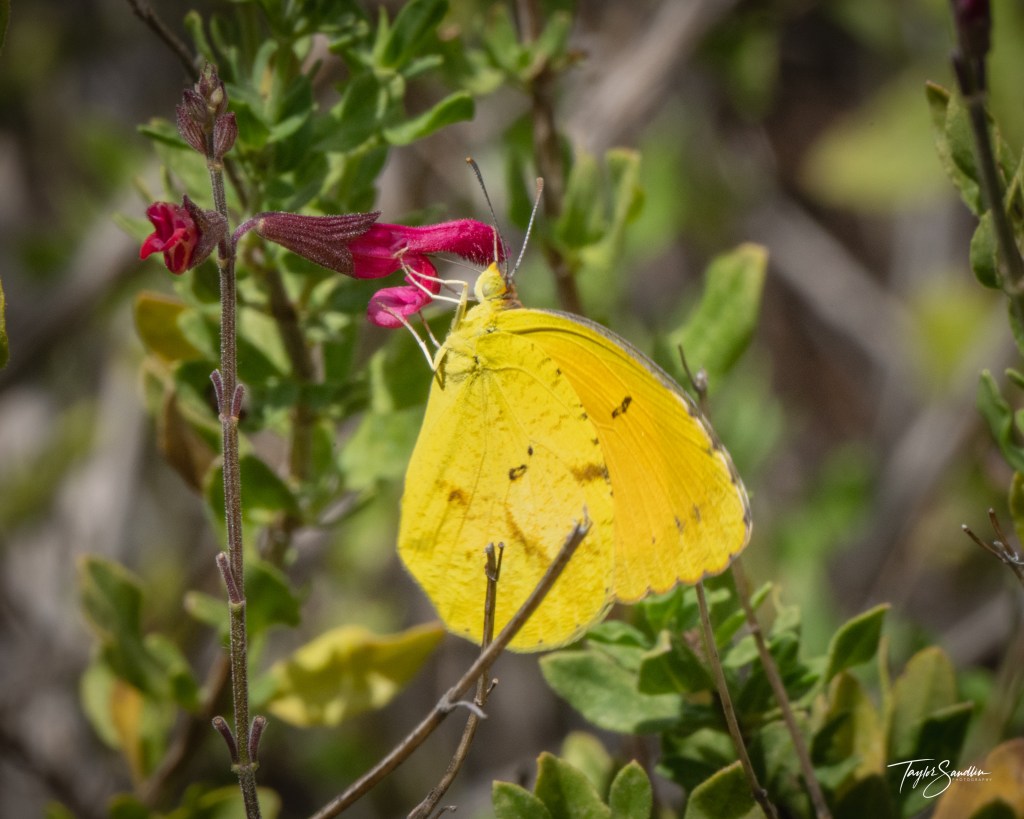
In a couple of hours I saw Monarchs, Queens, Painted Ladies, Gulf Fritillaries, Pearl Crescents, Cloudless Sulphurs, Long-tailed Skippers, American Snouts, Common Buckeyes, Little Yellows, Dainty Sulphurs, Common Checkered Skippers, Clouded Skippers, Fiery Skippers, and Sachems.
My best sighting of the day: A Great Purple Hairstreak. No they’re not rare, but you don’t see them everyday, either.
The weather should hold for a while longer meaning the butterflies should be plentiful for a while longer.
Pro-tip: Go looking in late afternoon on bright sunny days. Butterflies don’t like the cool mornings.