 Texas Butterfly

American Lady
Vanessa virginiensis
You can find this butterfly throughout most of the United States and all across Texas. I have seen it on any number of flowers included purple aster, blue greg’s mist, zinnias, and more.
It is very similar to the Painted Lady, which is also found throughout Texas. The American Lady has two large eyespots on the base of the hindwing, whereas the Painted Lady has four.


Spicebush Swallowtail
Papilio troilus
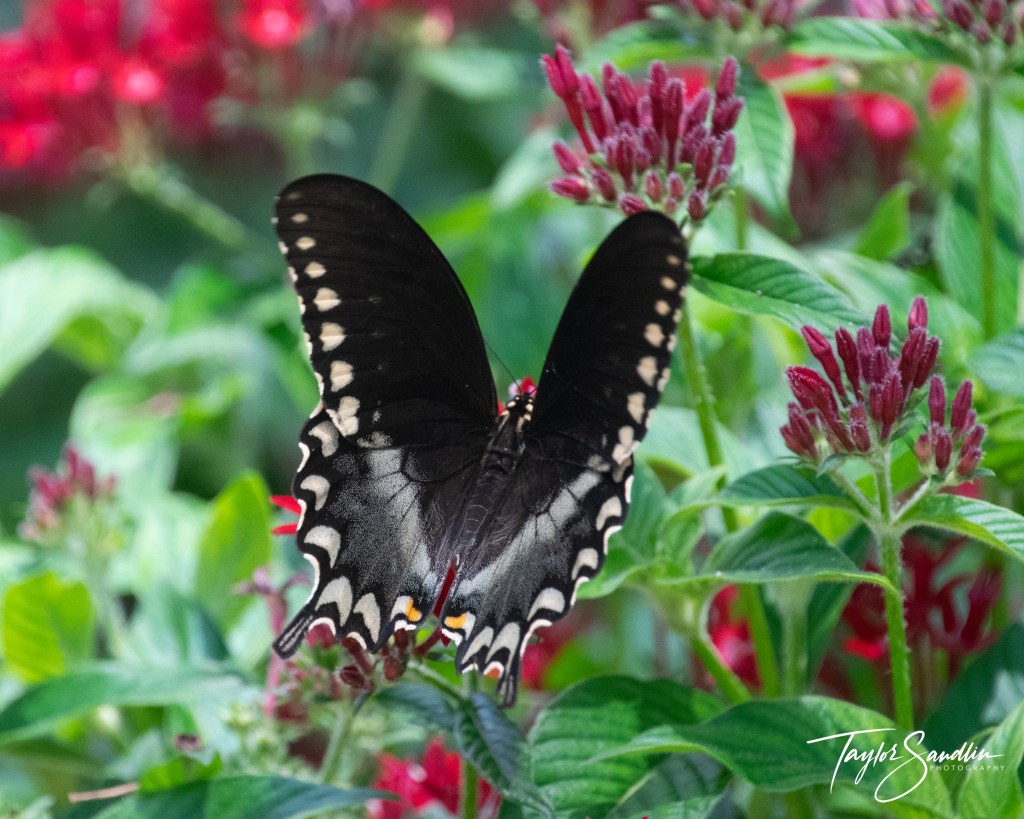
Numerous throughout the southern United States, the Spicebush Swallowtail can only be found in East Texas. Males have more of a greenish-white coloration on the upperside of the hindwings (pictured below). Females have more of a blue hue with two orange spots at the top of the hindwings (not pictured).
The Spicebush Swallowtail mimics the Pipevine Swallowtail. It differs from the Pipevine in two distinct ways. First, it has two rows of orange spots on the underside of its wings making it look more like the Black Swallowtail. Second, the white spots on the upperside cling more closely to the edge of the wings than those of the Pipevine Swallowtail.
I’ve spotted a few of these at the Mercer Botanical Gardens on the north side of Houston..
Glad to hear from readers where they have seen Spicebush Swallowtails. Also glad for someone to post a photo of a female. I don’t have a good shot of one, yet!


Fatal Metalmark
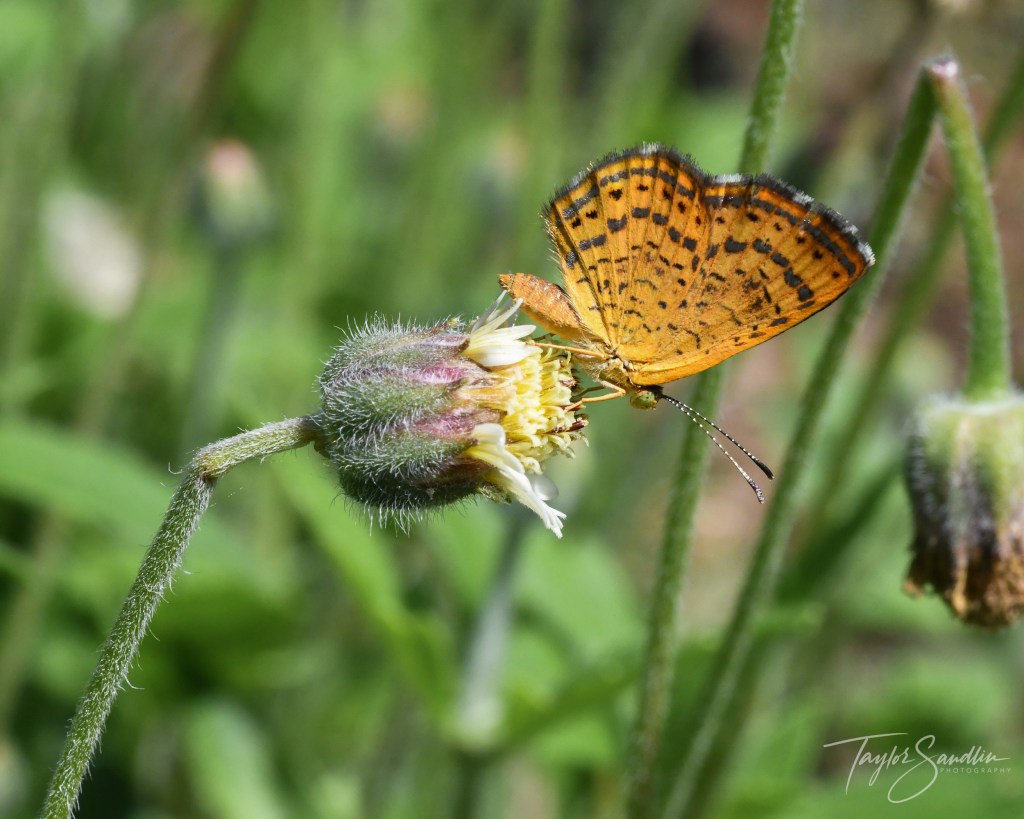
Calephelis nemesis
Primarily found in the tropics, there are a few metalmarks that call Texas home. One is the Fatal Metalmark. This tiny butterfly is a rusty brown on top with brighter orange underneath. Like other metal marks, it has a metalic band that runs around the fore and hindwings.
It’s range extends from Brownsville up to around San Antonio and then west to El Paso. I saw a few of these in San Angelo. The others I have seen have all been along the border.
If you a butterfly like this in the Beaumont area, it is likely the Little Metalmark. A lookalike in deep south Texas is the Rounded Metalmark.


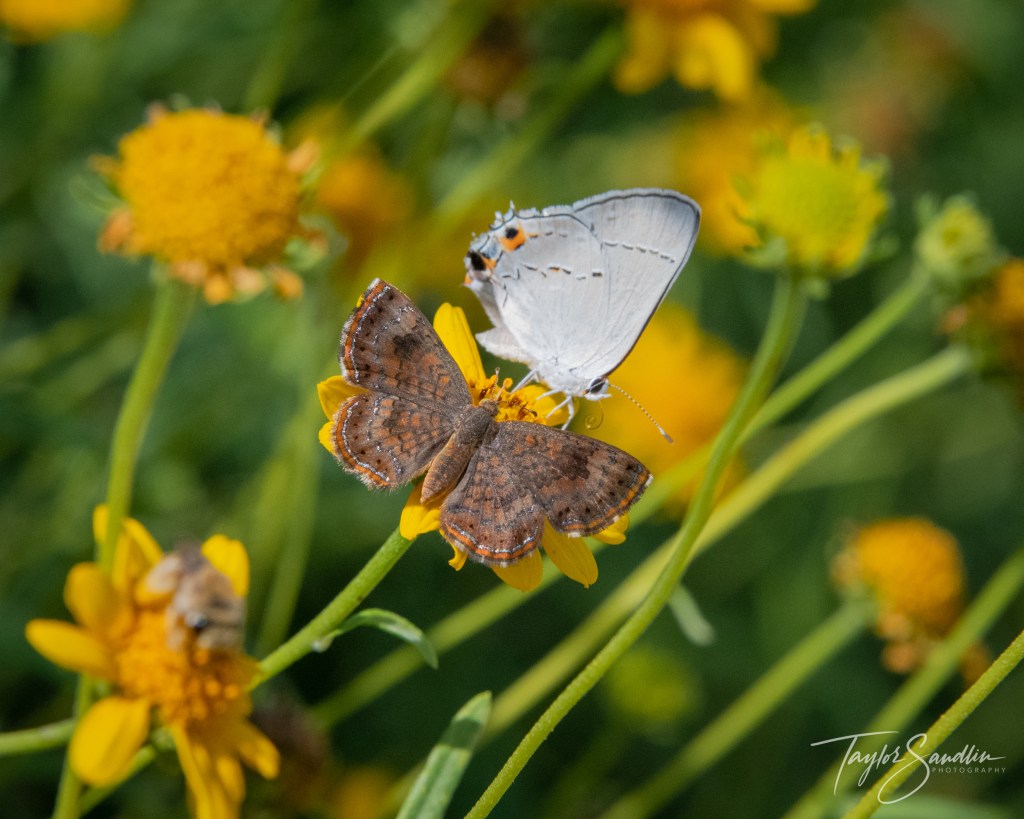

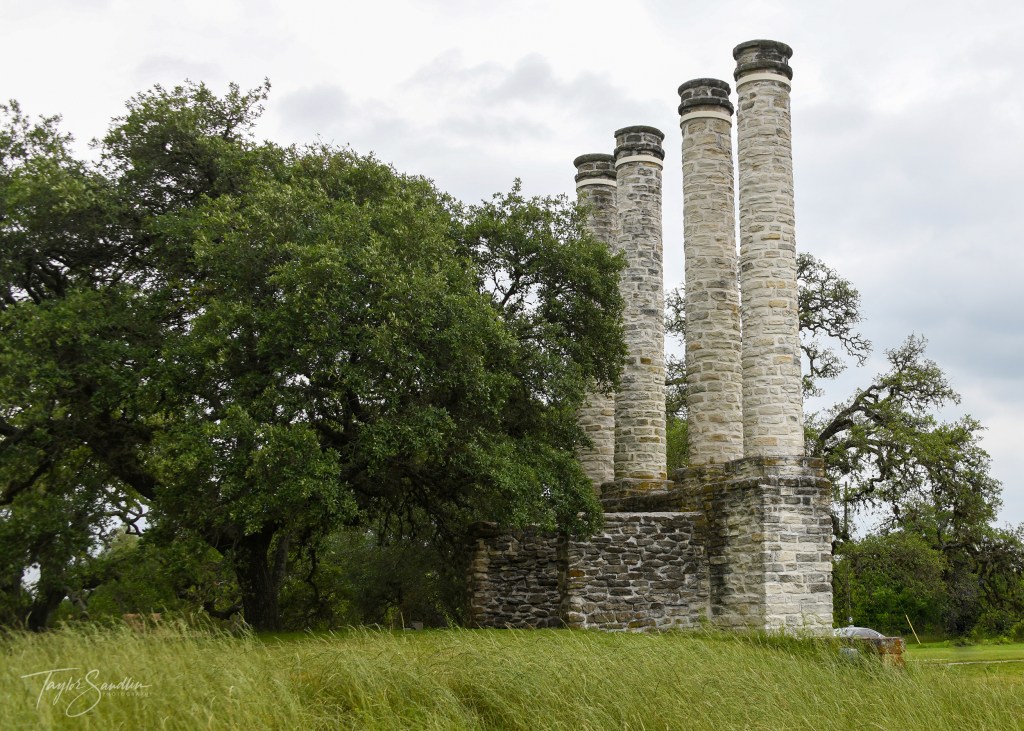
Last Saturday, my wife and I went on a drive to look at the bluebonnets near Brenham, Texas. We couldn’t stop and get out in some of the normal spots because of the quarantine requirements. Still, we managed to spend a few minutes walking around Old Baylor Park at Independence, Texas.
We were probably about a week past prime wildflower season, but the butterflies didn’t seem to mind. We saw:
Dainty Sulphurs, Common Buckeyes, Common-Checkered Skippers, Gray Hairstreaks, Pipevine Swallowtails, a Question Mark, and Varigated Fritillaries.
The Pipevine Swallowtails and Varigated Fritillaries were especially numerous.

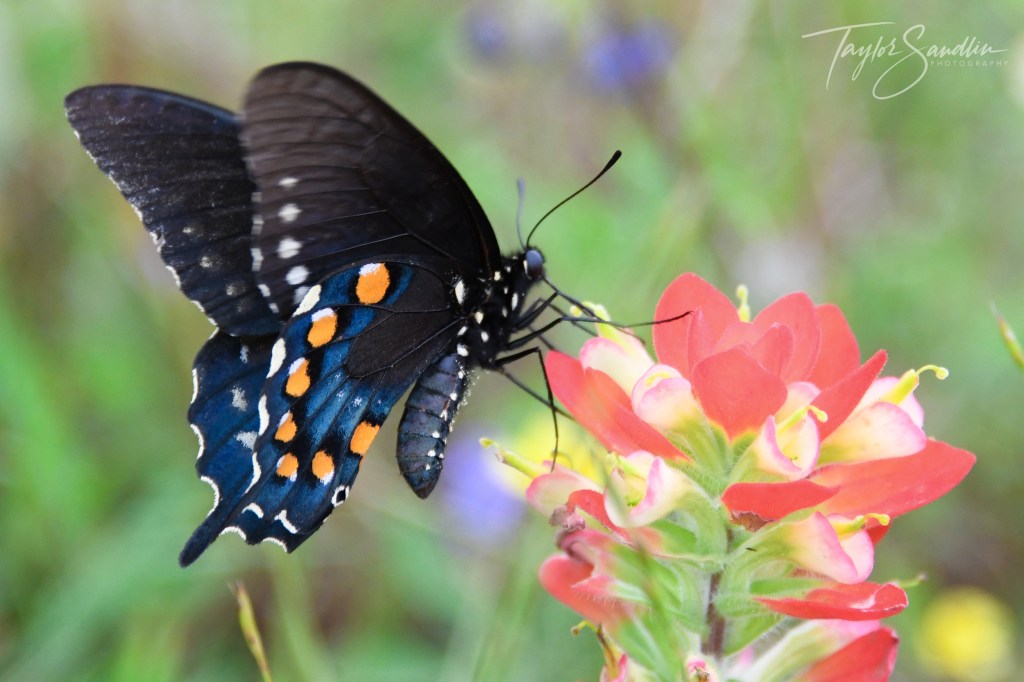

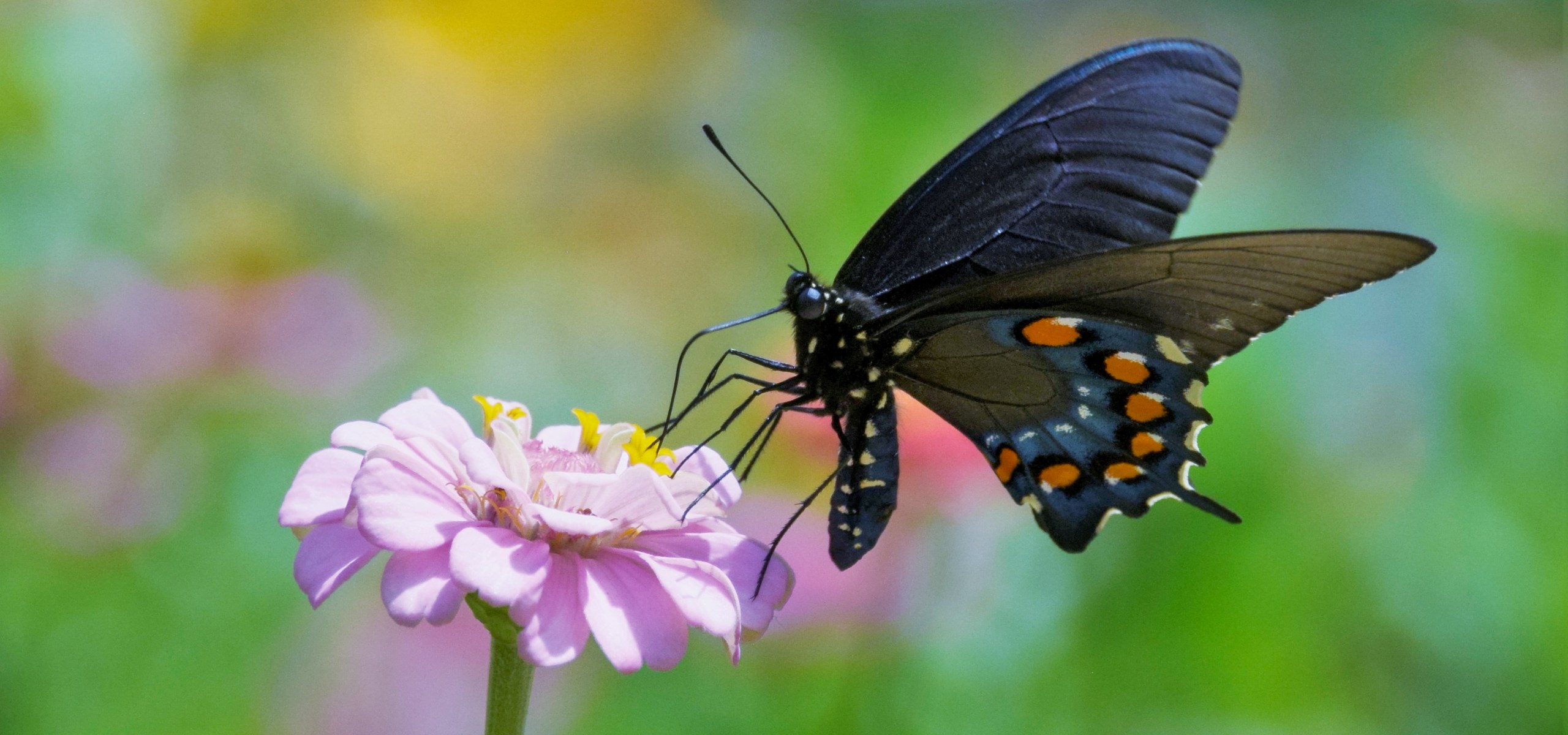
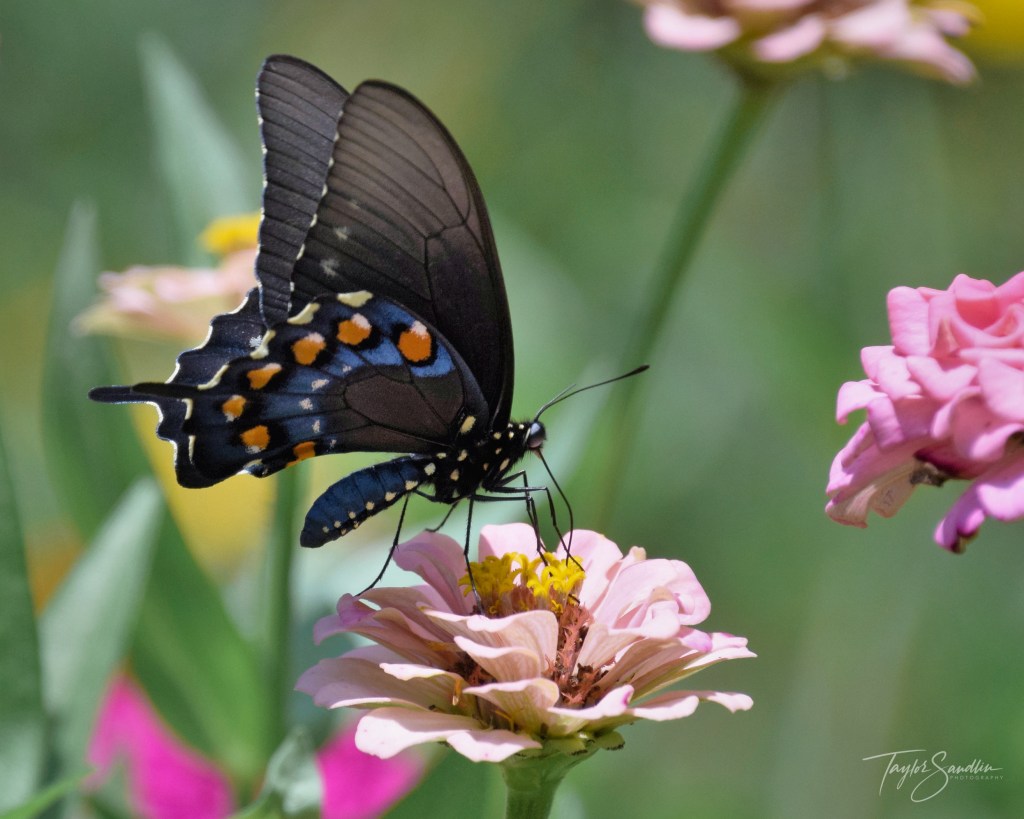
Pipevine Swallowtail
Battus philenor
The Pipevine Swallowtail is abundant throughout Texas. It frequents gardens and can be found in flower fields and groves of trees. Its caterpillars feed on pipevine, a noxious plant which makes the butterflies taste bad to predators.
Several other species of swallowtail mimic the Pipevine including the Spicebush and Black Swallowtails. The Pipevine stands out from its imitators with a single row of orange circles on the underside and a single row of white spots on the upperside.
The males shine an iridescent blue on the lower upperside while the females are mostly black.
I have had success in attracting Pipevine Swallowtails to my own yard with plumbago, vinca, and zinnia.
Similar species: Black Swallowtail, Spicebush Swallowtail



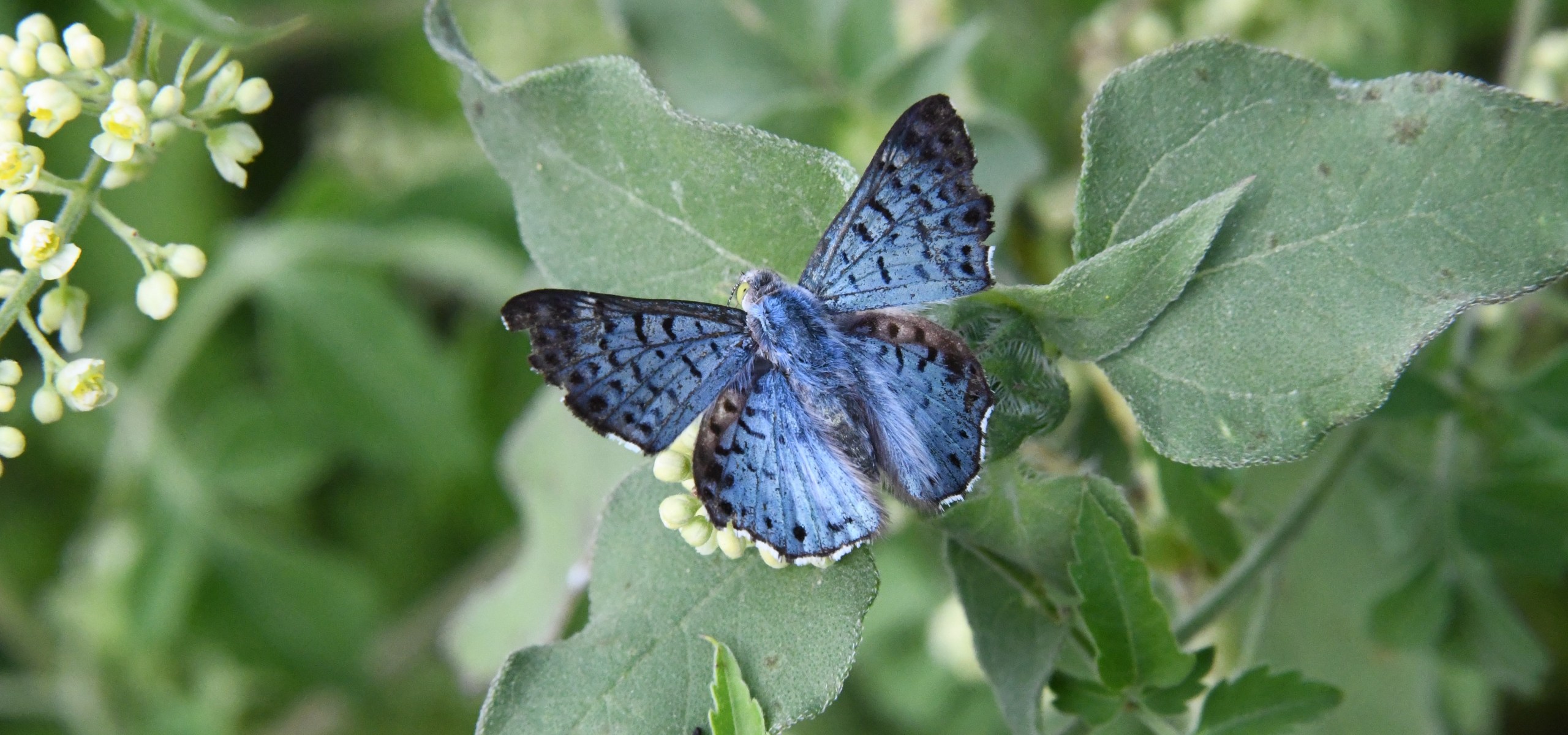
Blue Metalmark
Lasaia sula
The male of this species is a distinct iridescent blue. It can only be seen in the most southern part of the state. The one pictured on this page was seen at Resaca de la Palma State Park in Brownsville, Texas
It perches with its wings open making a shot of the underside more difficult to get.
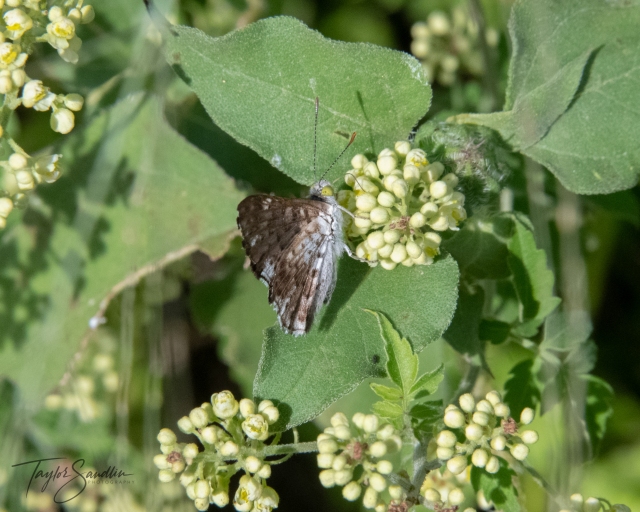
Blue Metalmark – Resaca de la Palma State Park 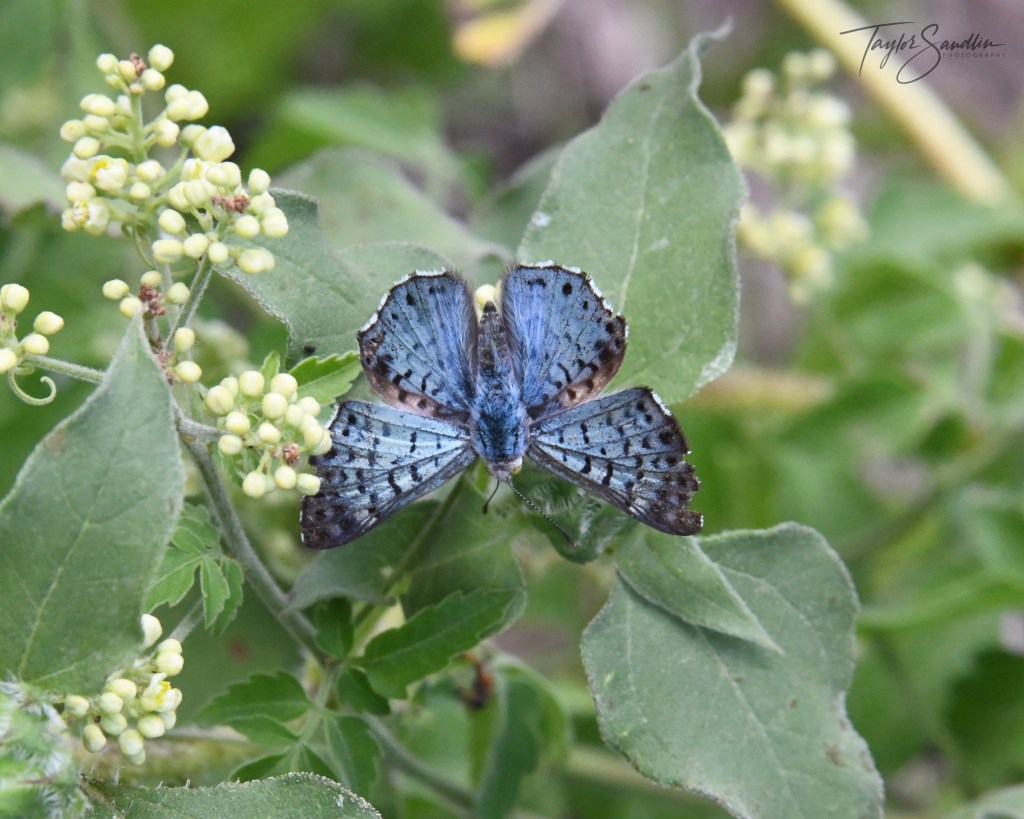

Giant Swallowtail
(Papilio cresphontes)
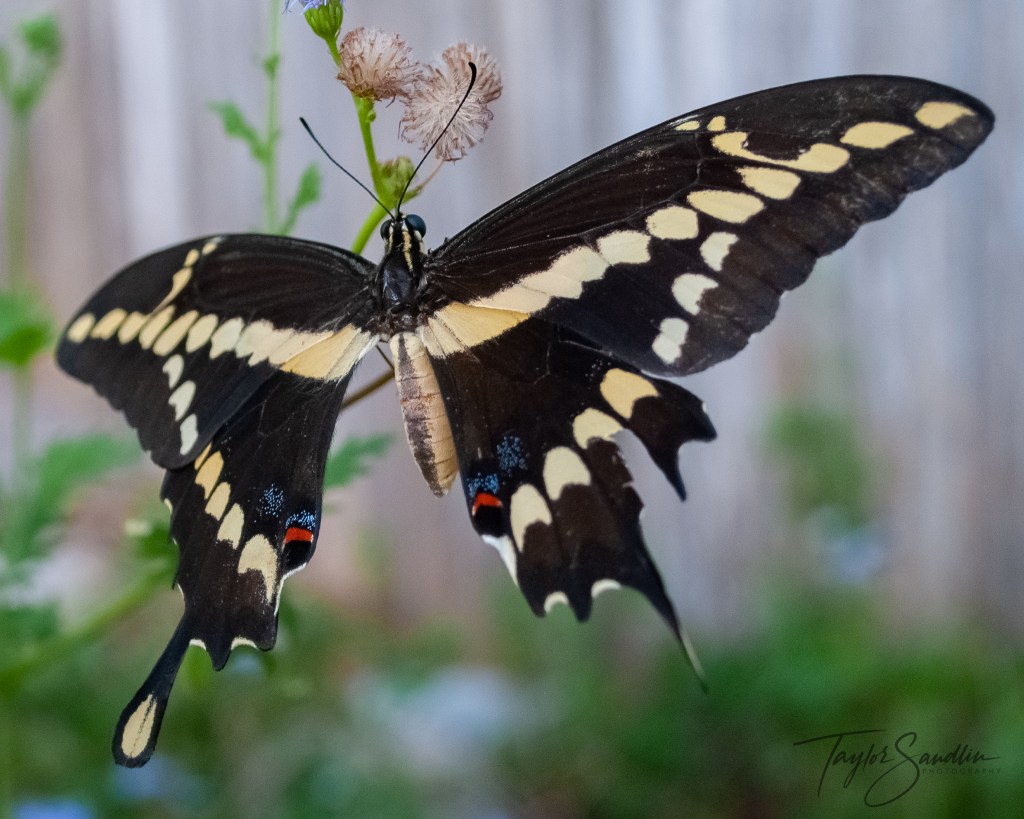
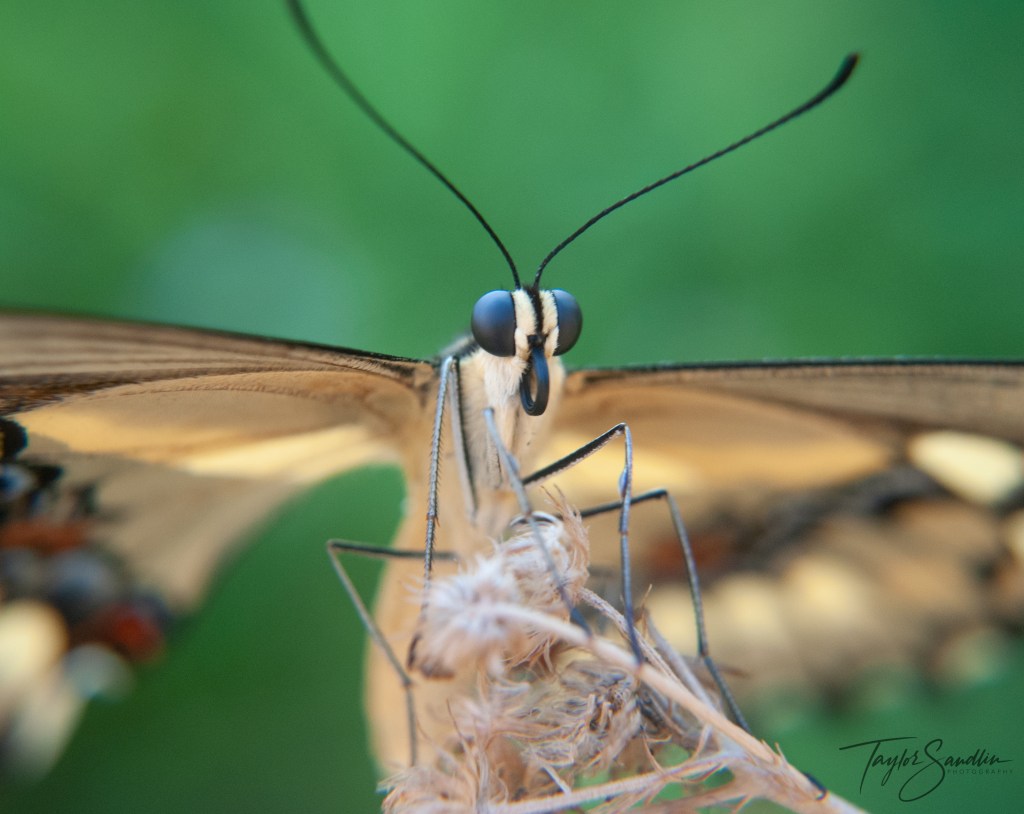
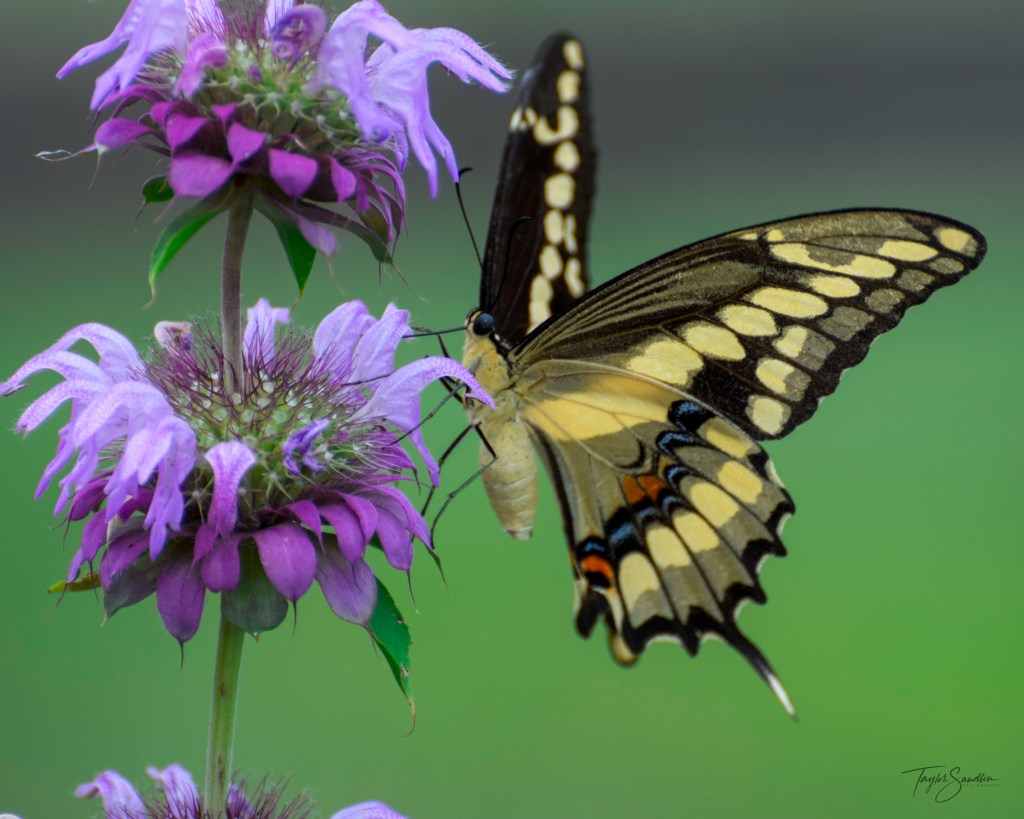
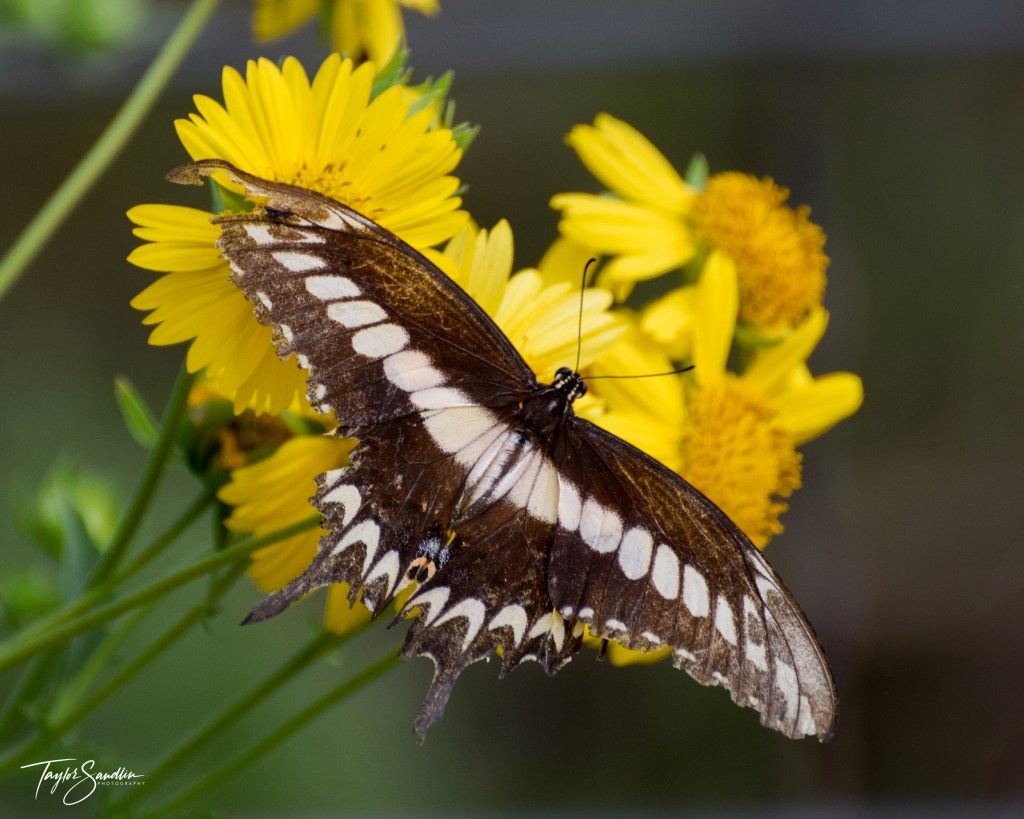
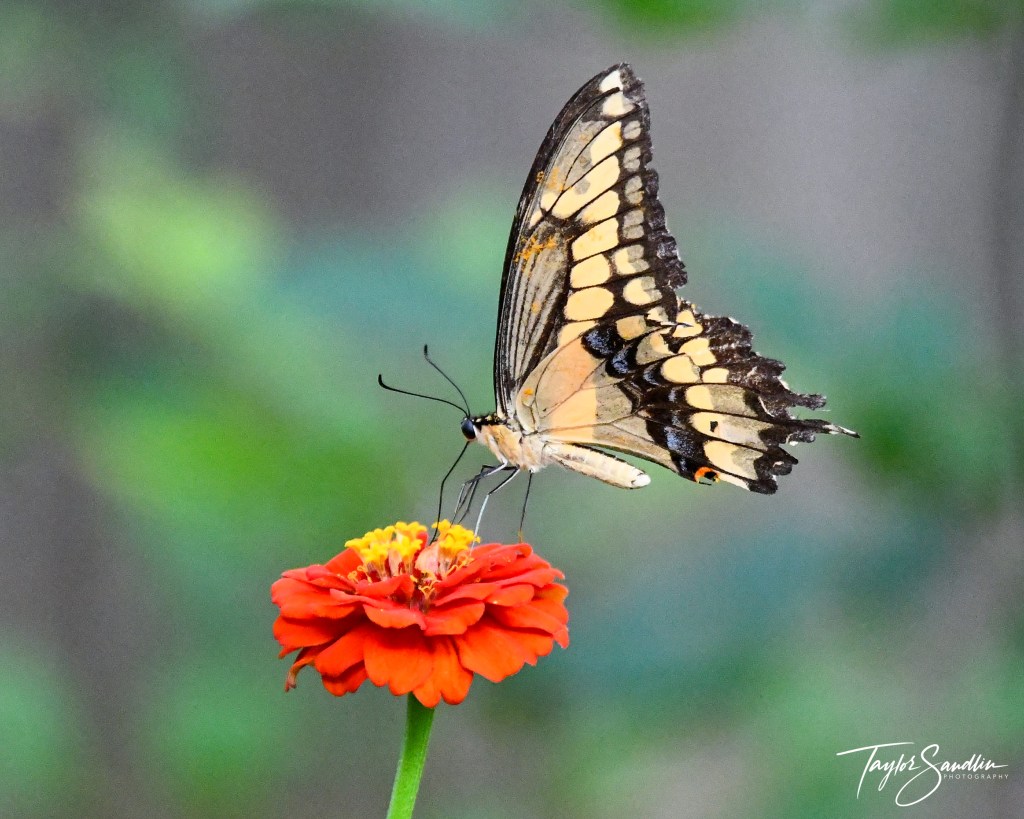
One of the largest butterflies in North America, the Giant Swallowtail lives throughout Texas. You will see this butterfly in your garden and flitting along wooded paths.
The Giant Swallowtail is a strong flyer and rarely sits still for a picture. Still, good light and a high shutter speed will help you get a great shot.
I also got lucky once and came out to one who had gotten caught in the cold in my garden. He was stuck still until the sun rose high enough to warm him up. I made sure to get some closeups while I had a captive subject!


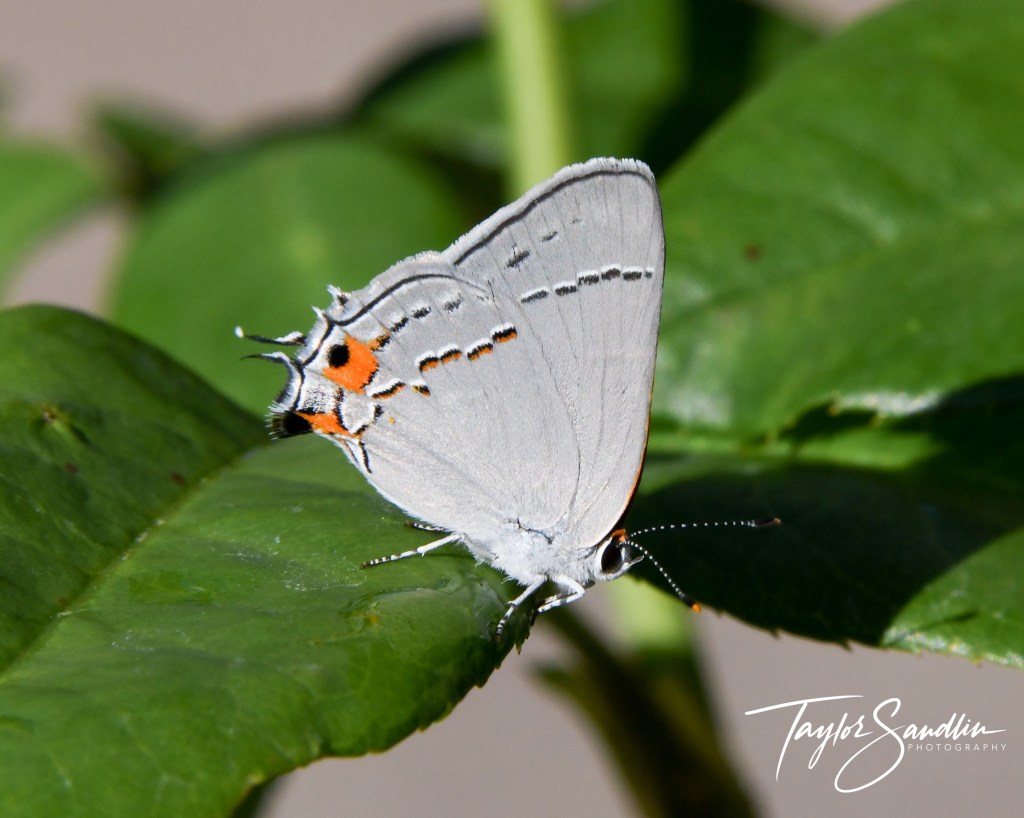
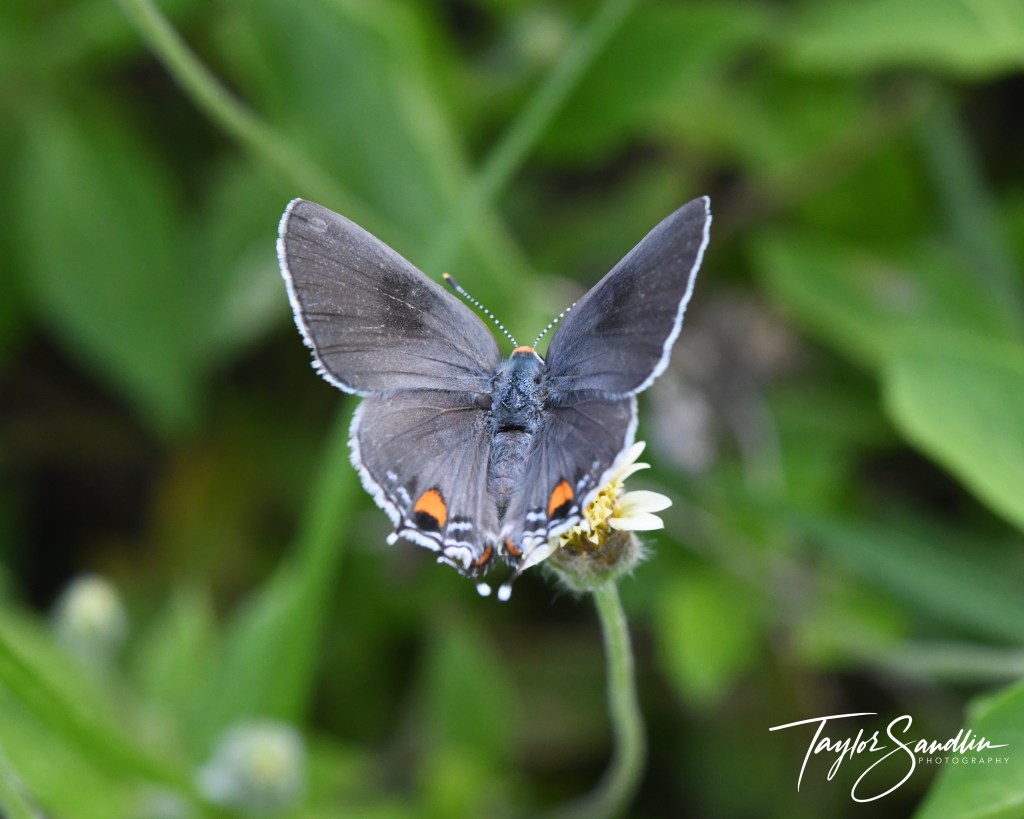
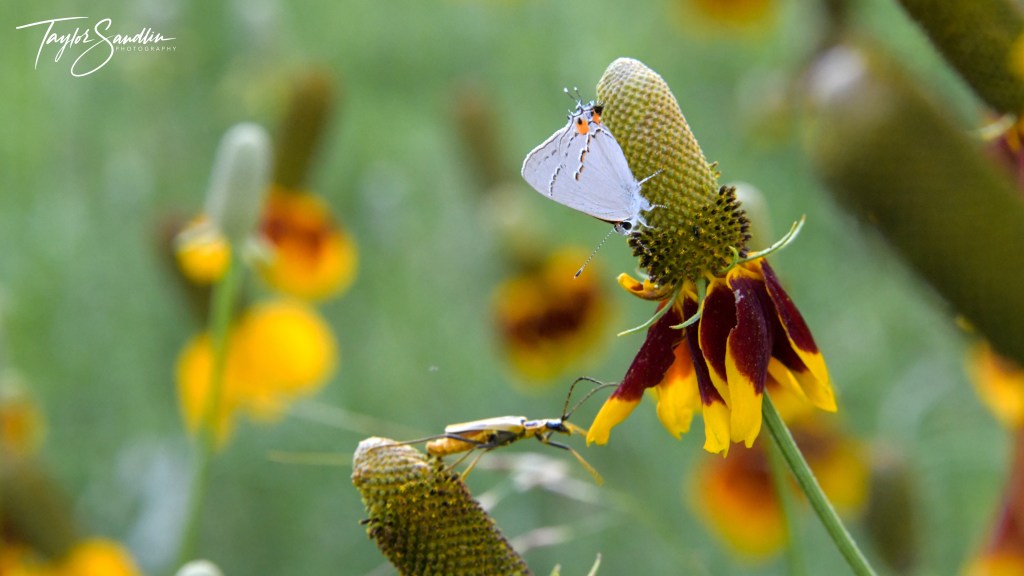
Gray Hairstreak (Strymon melinus)
This is the most common hairstreak in Texas. You will see it everywhere: fields, flower gardens, in your backyard, and in the countryside. Still, it’s one of my favorites. At this point it is like an old friend.
Its coloring can range from bright white to gray on the underside. It rarely sits with its wings open, so glimpses of the dark gray upperside happen infrequently.
There are other hairstreaks that are similar, but if you are unsure, you’re probably looking at one of these.


Queen
Danaus gilippus
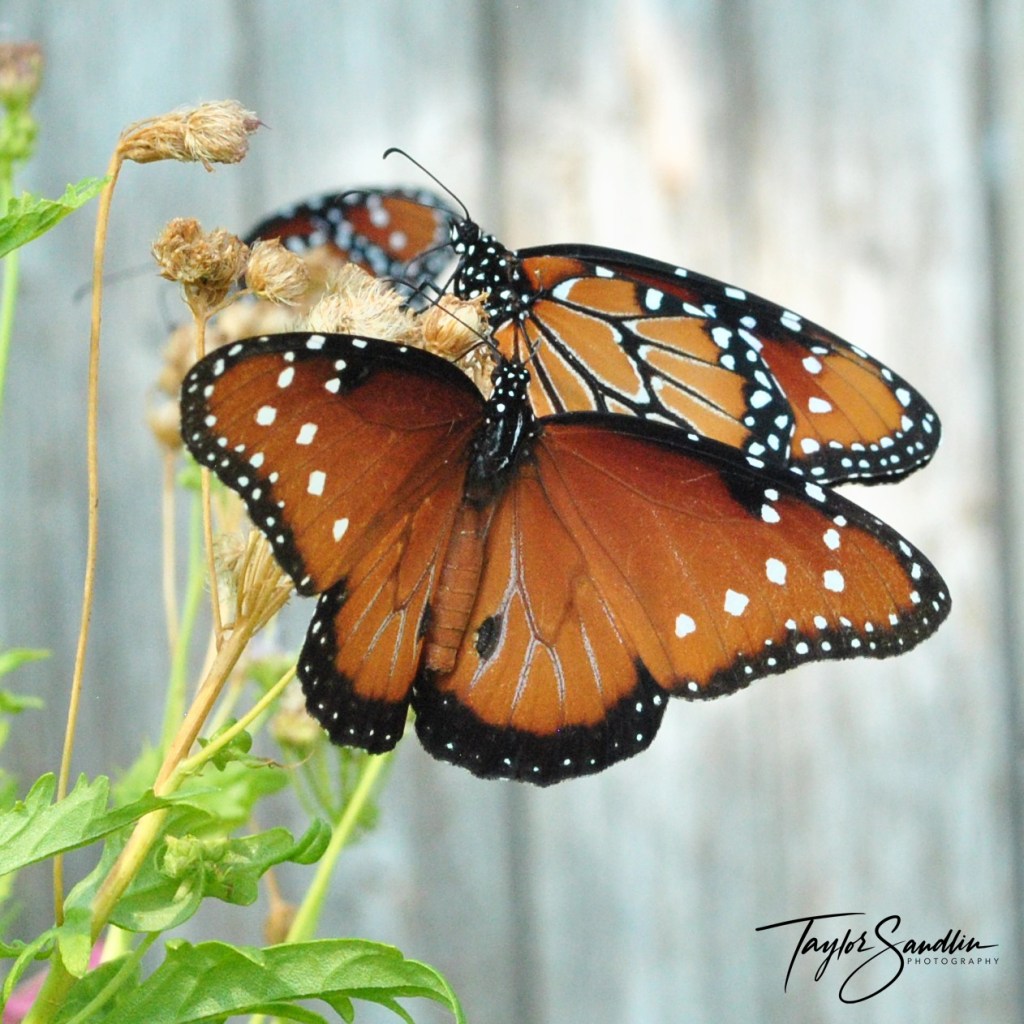
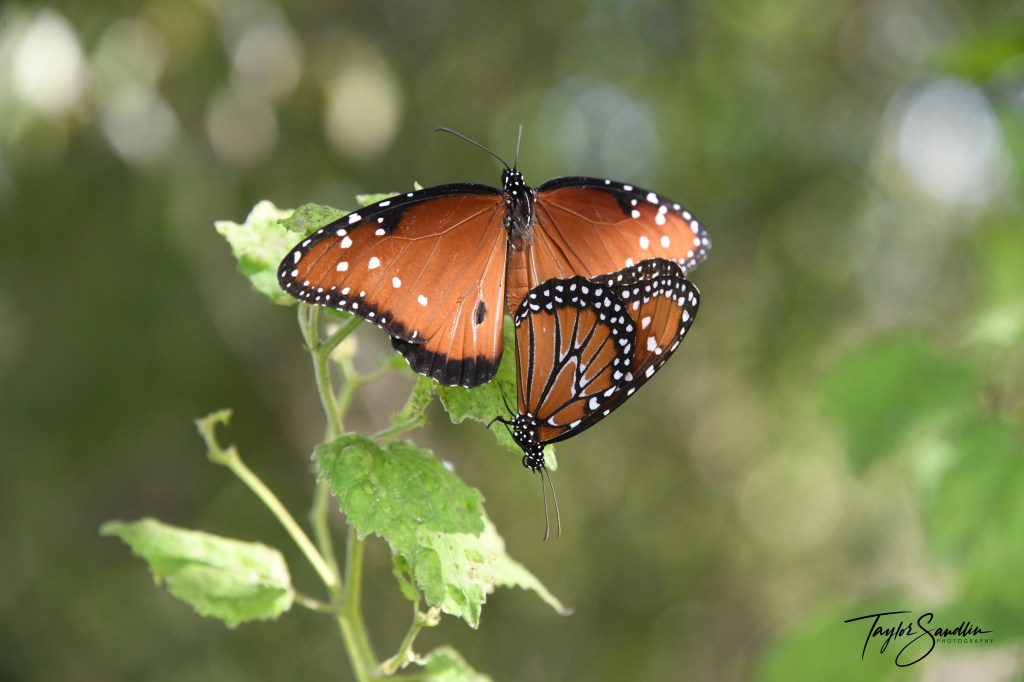
Often mistaken for the Monarch, the Queen butterfly often outnumbers its orange relative. Absent only from East Texas, it can be found in large numbers throughout the rest of the state.
I probably have more pictures of this butterfly than any other thanks to the Greg’s Blue Mist flower planted in my backyard in San Angelo. They absolutely love that plant.
The Queen is a less common visitor to Houston, but is occasionally seen here.
The butterfly feeds on several plants, but as noted above, it is especially fond of different forms of Blue Mist. The caterpillars feed on milkweed.
Similar species: Monarch, Soldier



Monarch (Danaus plexippus)
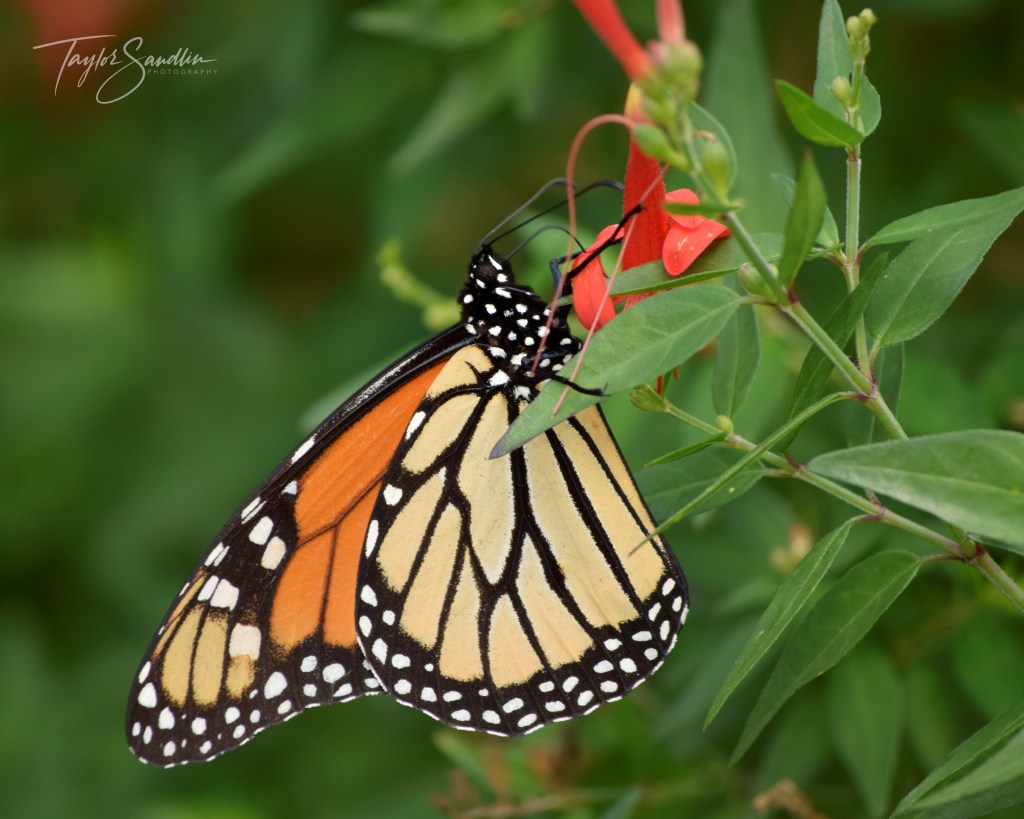
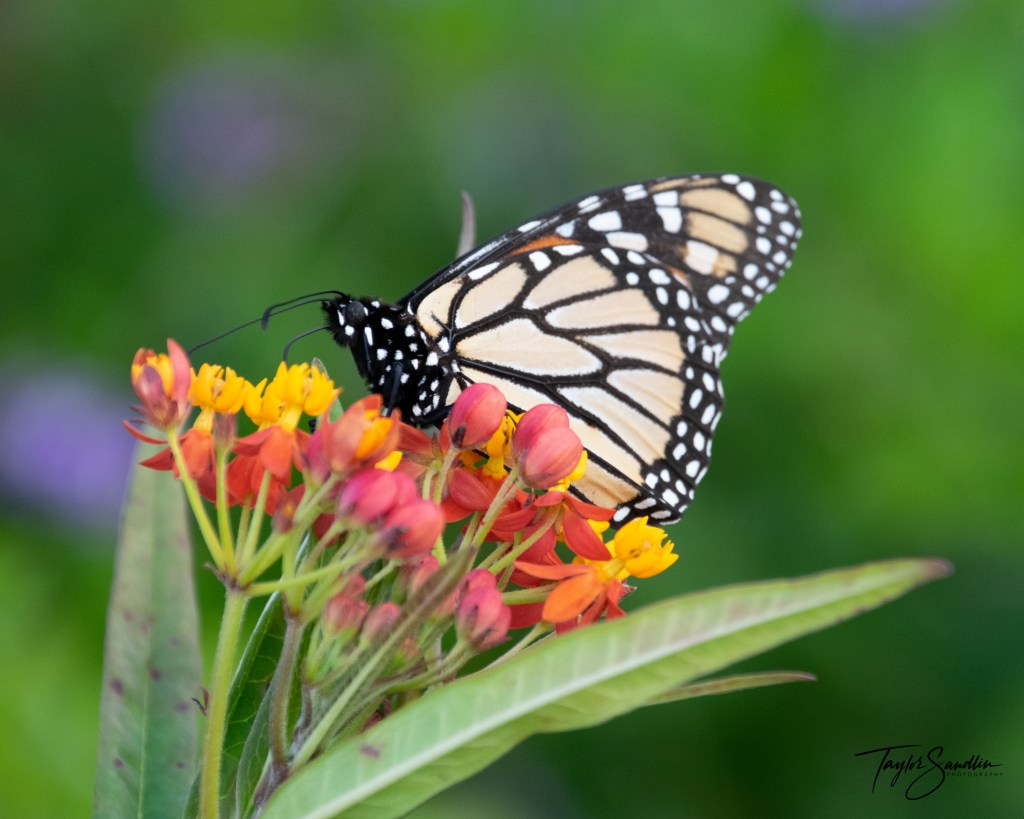
When many people think of butterflies, they think Monarchs. Monarchs can be found throughout the United States and across Texas. In fact, the Monarch is the official state insect of Texas!
Parts of Texas are on the Monarchs’ migration path including, San Angelo, Texas where I used to live. Every year, usually in October, the numbers of Monarchs begin to increase. For a brief time (three days to a couple of weeks depending on the weather) you can see thousands gathered in various spots around the city.
The best spots in San Angelo to see large groups of Monarchs during the migration include the San Angelo State Park and behind the International Lily Gardens at Civic League Park. To really see them well you need to hike back towards the river. There’s a backflow channel back there where the trees will fill with butterflies during the migration.
I have not found anywhere in the Houston area where large amounts of Monarchs congregate. You do see Monarchs almost all year long.
Monarch butterflies feed on a variety of plants. Monarch caterpillars feed on milkweed. Adding this plant to your yard almost guarantees Monarchs will visit.
Similar species: Queen, Soldier, Viceroy


 Texas Butterfly